
TAMPA, Fla. – Graduates of Cooley Law School’s Tampa campus were honored during a commencement ceremony at the New Tampa Performing Arts Center in Tampa on Dec. 16.
Thirty-one juris doctor degrees were presented to members of Cooley Law School’s William Henry Moody Class and Mahlon Pitney Class.
Chosen by his peers, Tory Sanders Jr. gave the class farewell remarks. Retired Florida Supreme Court Chief Justice Peggy Quince delivered the keynote speech.
“Some of us came to law school to fight injustice, build businesses, shape policy, or simply because we were curious about how the world works,” Sanders said during the ceremony. “But now, we enter a world where we are the guardians of the rule of law and where we will often be the voice of reason in the room."
“In the years ahead, people will come to us in their most vulnerable moments, trusting us with their freedom, their families, their futures,” Sanders added. “They won't ask if we graduated with honors or what grade we got in our courses. They will ask us to stand up for them when they cannot stand alone. They will ask us to navigate complexity, to speak with clarity, and to fight with integrity. And because of everything we endured here, every challenge, every setback, every ounce of dirt that we have shaken off, we are now prepared to answer that call. Not only are we professionals, we are servants. The world does not need perfect attorneys. No, it needs committed ones. Attorneys who show up, stand firm, and use their knowledge to make a meaningful difference in adherence with the rule of law.”
In her keynote address, Judge Quince spoke about how the graduates can help continue to make law a great profession and, upon passing the bar exam, what it means to take the oath of admission and how a lawyer’s word is their bond.
“I am asking you graduates that when you get ready to take the oath of office, don't look at it as just something you have to do in order to become a lawyer,” she told the graduates. “Look at it as the promises you are making to your communities, to yourselves, to your families – the promises you are making to be good and true citizens, to honor the Constitution, to honor the rule of law and to make sure that there is in fact equal justice for all in this country."
“Instead of that being a slogan in a lot of people's minds, make it a reality in your communities, in this state, and across this nation,” Quince added. “It is vitally important because you will have the skills and the opportunities to do so. I want to thank all of you for choosing the legal profession and I look forward to some great things from you. Now I want you to go out there and make all of us proud, especially your families and your friends who have sacrificed much for you as you have gone on this journey.”
Each Cooley Law School class is named for a distinguished member of the legal profession. The commencement ceremony for Cooley’s winter graduating classes honored U.S. Supreme Court Justice Mahlon R. Pitney and Justice William H. Moody.
Justice Moody graduated from Harvard University with honors in 1876. His formal legal education consisted of only one term of lectures at Harvard Law School. After passing the bar exam, he opened his own law office in Haverhill, Mass. In 1890, Moody was elected as district attorney for the eastern district of Massachusetts. Five years later, he was elected to the U.S. House of Representatives, and served four terms. During this period, Moody met and befriended future president Theodore Roosevelt. Shortly after Roosevelt was inaugurated in 1901, he appointed Moody as secretary of the Navy. When Attorney General Philander Knox resigned in 1904, Roosevelt asked Moody to replace him, becoming a key player in the antitrust campaigns of early 1900s. He personally argued four cases before the U.S. Supreme Court. In June 1906, Roosevelt appointed Moody to the U.S. Supreme Court. During his four years on the bench, Justice Moody wrote 67 opinions, including five dissents.
Justice Pitney graduated from College of New Jersey (now named Princeton) in 1879. He then proceeded to study law with his father, a well-known attorney and judge. In 1882, he passed the New Jersey Bar and practiced law for 12 years. In 1894, he was elected to the United States House of Representatives. After two terms, Pitney returned to New Jersey and was elected as a New Jersey state senator and quickly became the New Jersey senate president. Pitney had planned to run for governor, but was appointed to the New Jersey Supreme Court. After seven years, Pitney was appointed to the position of chancellor, the then-highest position in New Jersey’s court system. He remained in this position until 1912 when President William Taft nominated Pitney for the U.S. Supreme Court. During his 10 years on the Supreme Court, Pitney consistently supported worker rights, such as workers’ compensation, and minimum wage laws.

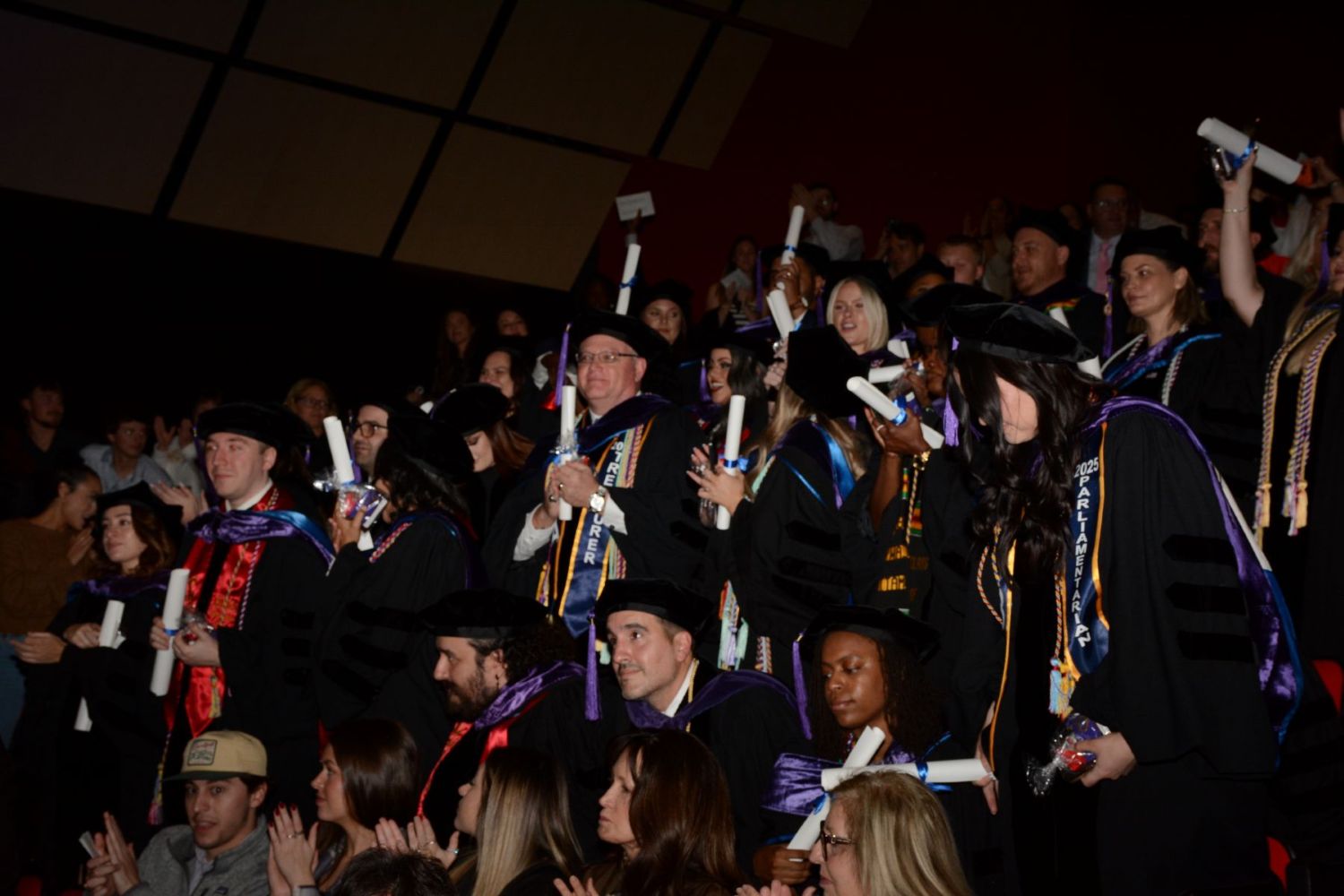
Graduates of Cooley Law School’s Tampa campus were honored during a commencement ceremony at the New Tampa Performing Arts Center in Tampa on Dec. 16.
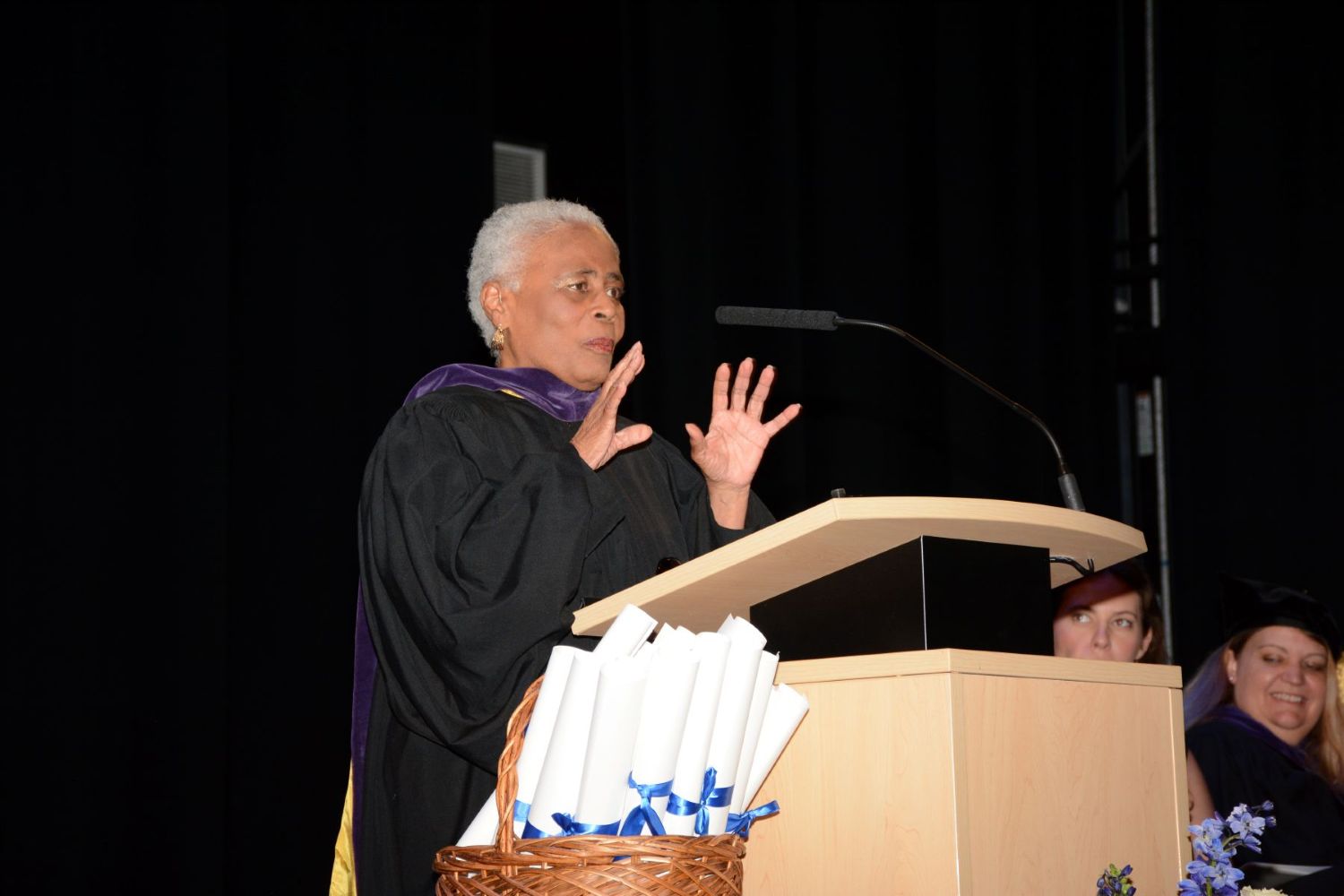
Photo 3: Retired Florida Supreme Court Chief Justice Peggy Quince delivered the keynote speech during the Cooley Law School’s commencement ceremony for its Tampa campus at the New Tampa Performing Arts Center in Tampa on Dec. 16.
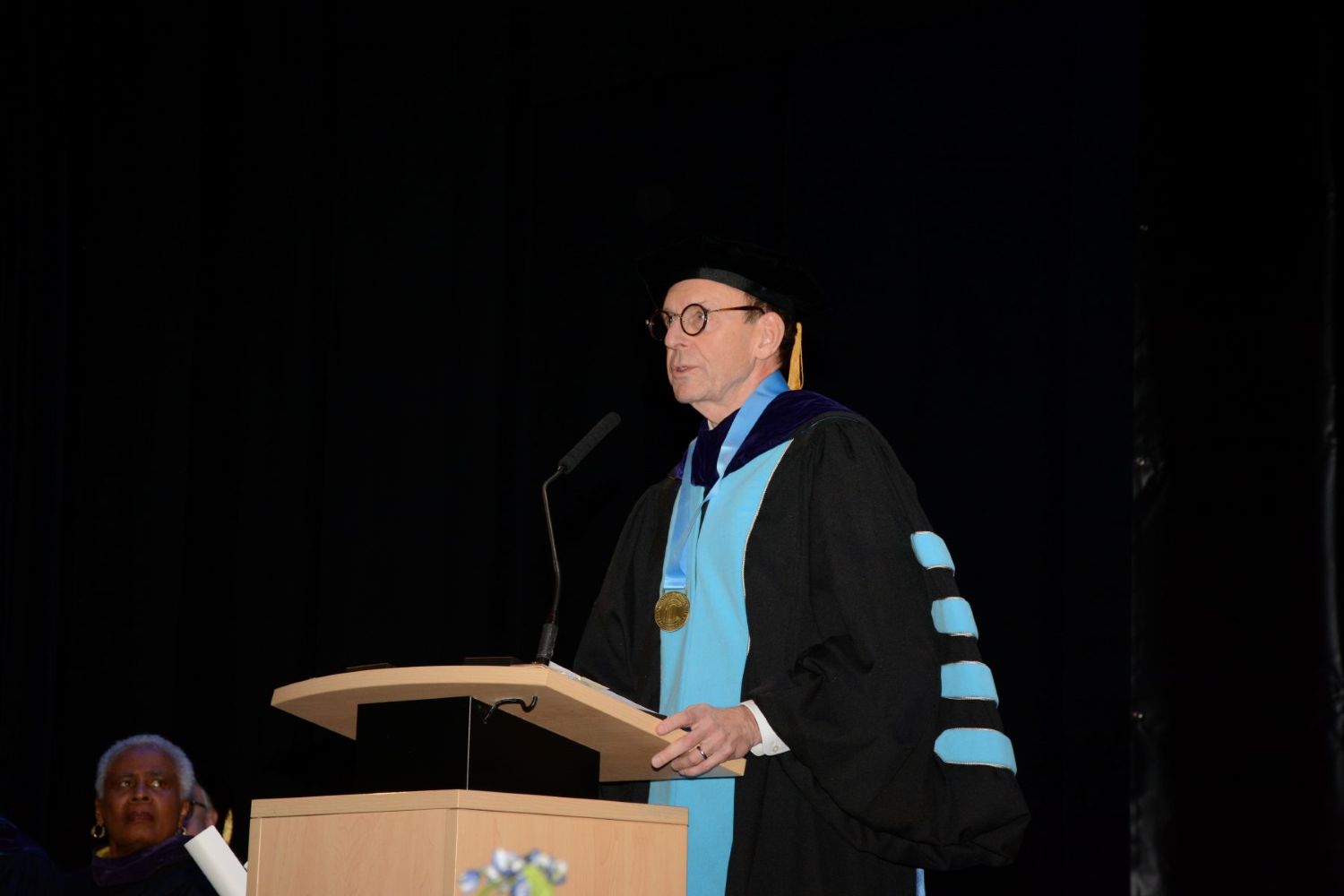
Cooley Law School President and Dean James McGrath welcomes attendees during the law school’s commencement ceremony for its Tampa campus at the New Tampa Performing Arts Center in Tampa on Dec. 16.
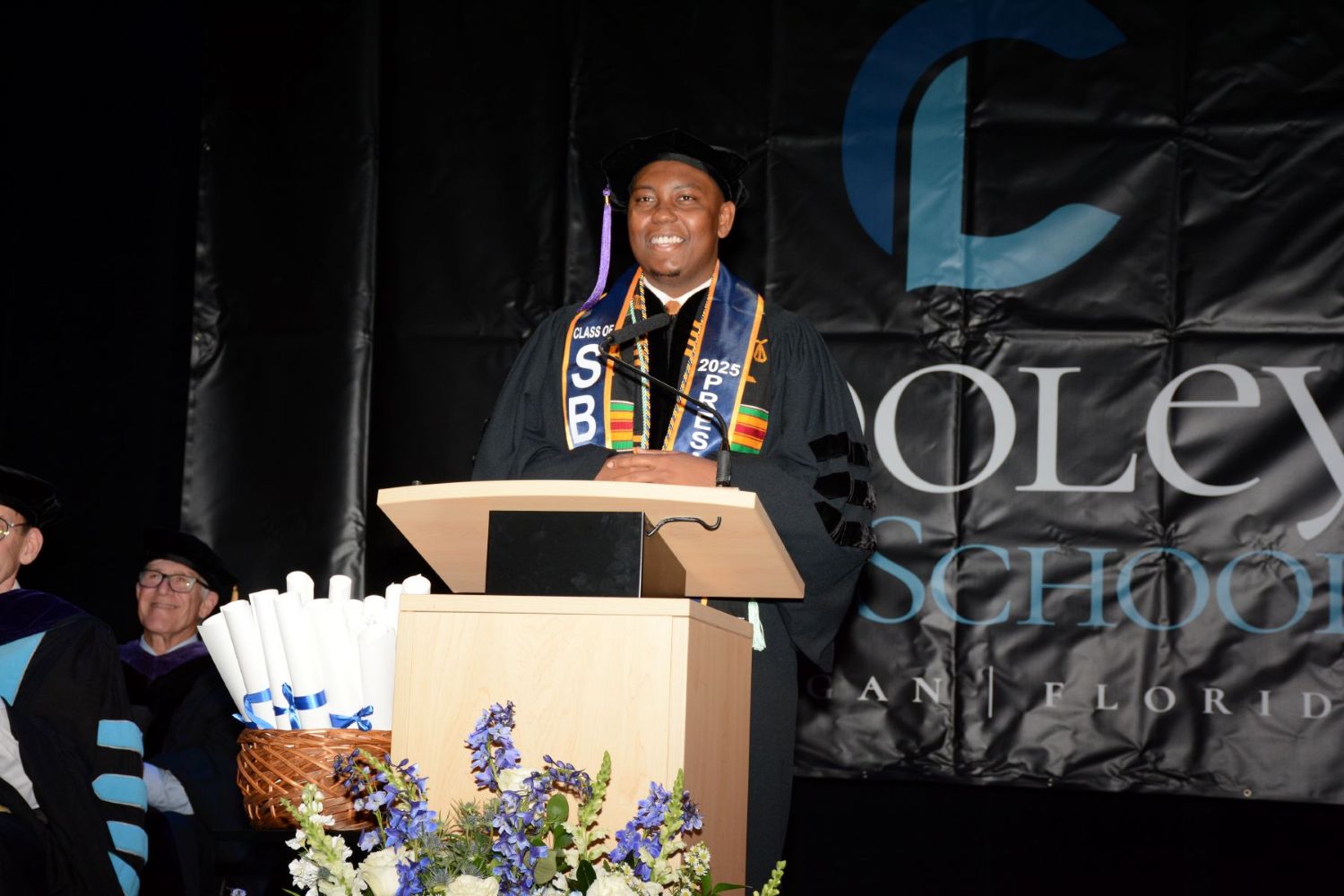
Chosen by his peers, Tory Sanders Jr. gives the class farewell remarks during Cooley Law School’s commencement ceremony for its Tampa campus at the New Tampa Performing Arts Center in Tampa on Dec. 16.