Skip to content

Reda Taleb’s Life’s Work: Turning Pain into Purpose — and Giving It Back to Dearborn

Reda Taleb’s Life’s Work: Turning Pain into Purpose — and Giving It Back to Dearborn

When Reda Taleb (McLean Class, 2015) talks about “giving back,” she isn’t just reciting a slogan — she’s living by example. The daughter of immigrants from Bint Jbeil, Lebanon, Taleb’s parents, along with her six older siblings, laid roots in Dearborn’s south end, an area known for its pollution-emitting factory smoke stacks and community of Arab Americans seeking the “American Dream.”

Read More
  • Plain Language to the Rescue
    Plain Language to the Rescue

    Plain Language to the Rescue

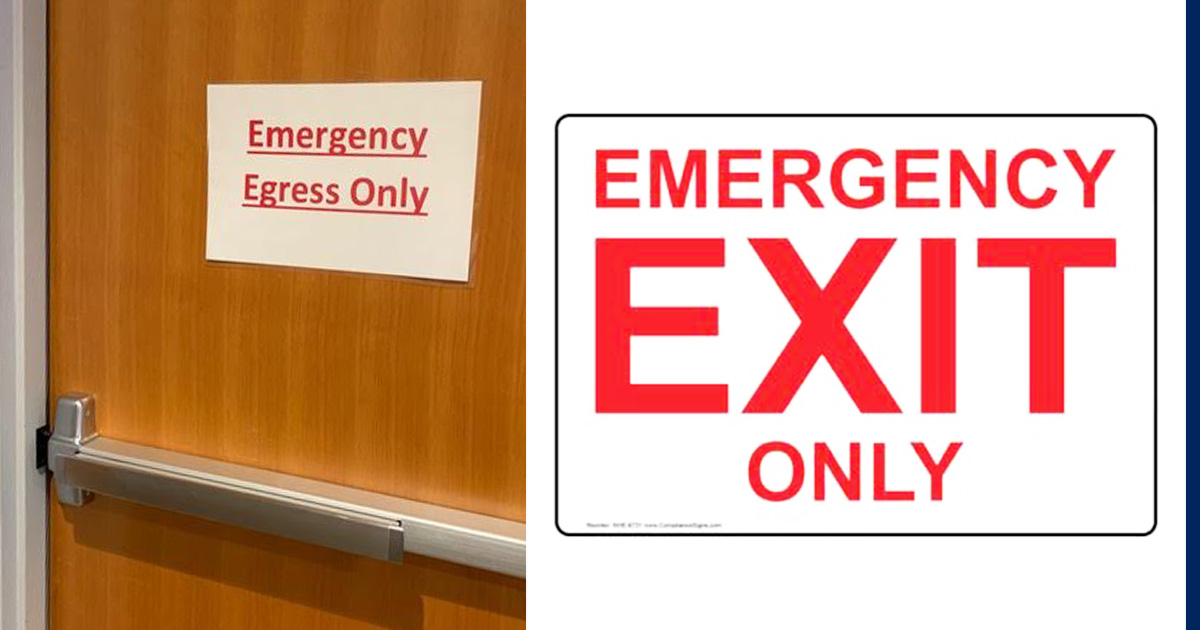
    EGRESS? You are in a crowded restaurant. The fire alarm goes off and diners rush for the doors. One door is marked EGRESS and one is marked EXIT. Which one leads to safety? Answer: both. But head for the Egress. It could have life-or-death consequences. Here’s why. Most of the diners likely do not know the word egress. The Plain English Lexicon says of egress that only 2/3 of Americans who completed grade 16 (four years of college) are likely to understand its meaning. It’s a college-grad word. Yet according to the Literacy Project Foundation, the average American reads at a junior-high grade level. This level of literacy might well result in a backup of diners trying to get through the Exit door and clear sailing at the Egress door.

  • Helper Hyphens Aid Comprehension, Prevent Confusion
    Helper Hyphens Aid Comprehension, Prevent Confusion

    Helper Hyphens Aid Comprehension, Prevent Confusion

    I have blogged about the problem of excessive commas. Now I want to tackle the problem of a missing punctuation mark: the hyphen. I’m talking specifically about the hyphen that belongs in the middle of phrasal adjectives.

  • Verbal vs. Oral: Know the Difference
    Verbal vs. Oral: Know the Difference

    Verbal vs. Oral: Know the Difference

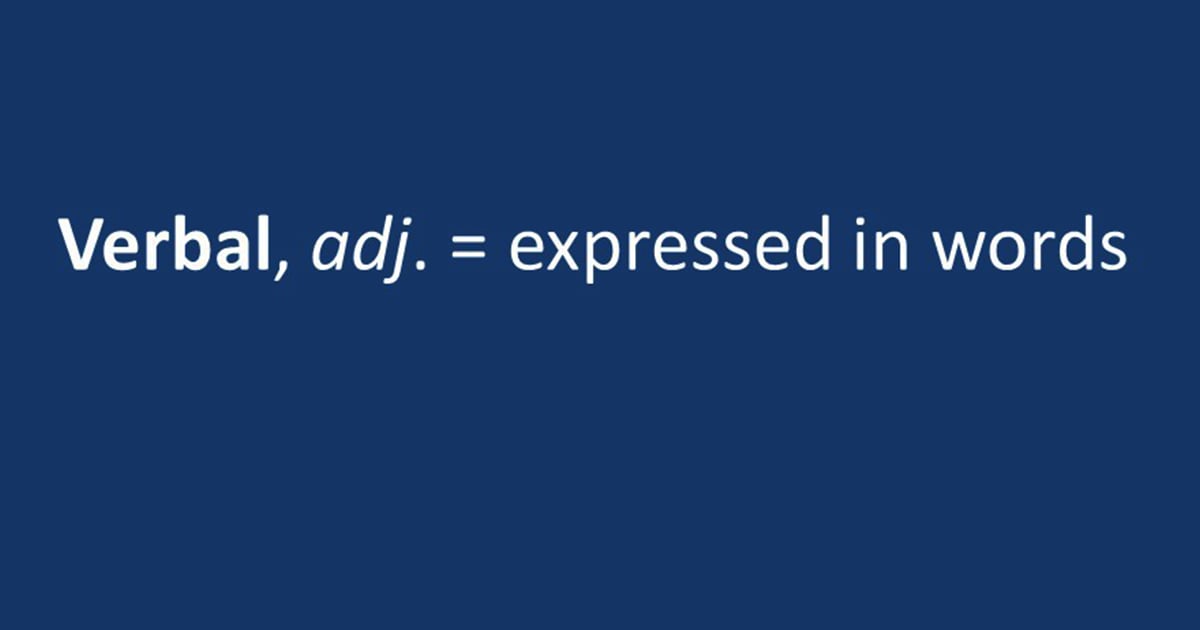
    With the encouragement of my colleague Joe Kimble, editor of the long-running Michigan Bar Journal Plain Language column, I submitted “Help Wanted (and Needed!),” which appeared in the January 2019 issue. It called attention to help-wanted ads that demand excellent writing skills—but demonstrate something less.

  • Confusion: Bad for Contracts, Good for Students
    Confusion: Bad for Contracts, Good for Students

    Confusion: Bad for Contracts, Good for Students

    In the middle of their study of Contract law, students encounter a cluster of cases dealing with when courts should grant some form of relief to parties who unknowingly enter into contracts beset by misunderstanding, mistake, or ignorance. I call this cluster “the Law of Confusion.” Reading the cases, students are at least as confused as were the parties to the lawsuits that they are being asked to study.

  • KISS: Simple Ways to Increase Your Article’s Impact
    KISS: Simple Ways to Increase Your Article’s Impact

    KISS: Simple Ways to Increase Your Article’s Impact

    I have previously blogged about ways to boost an article’s readership. Since then I have learned of a really simple additional way. We all know that to increase readability, use short words and short sentences. It turns out that using a short title for your article can increase the likelihood that it will be read. And cited by others.

  • What Should Be Done About Michigan's No-Good, Very Bad Way of Selecting Supreme Court Justices?
    What Should Be Done About Michigan's No-Good, Very Bad Way of Selecting Supreme Court Justices?

    What Should Be Done About Michigan's No-Good, Very Bad Way of Selecting Supreme Court Justices?

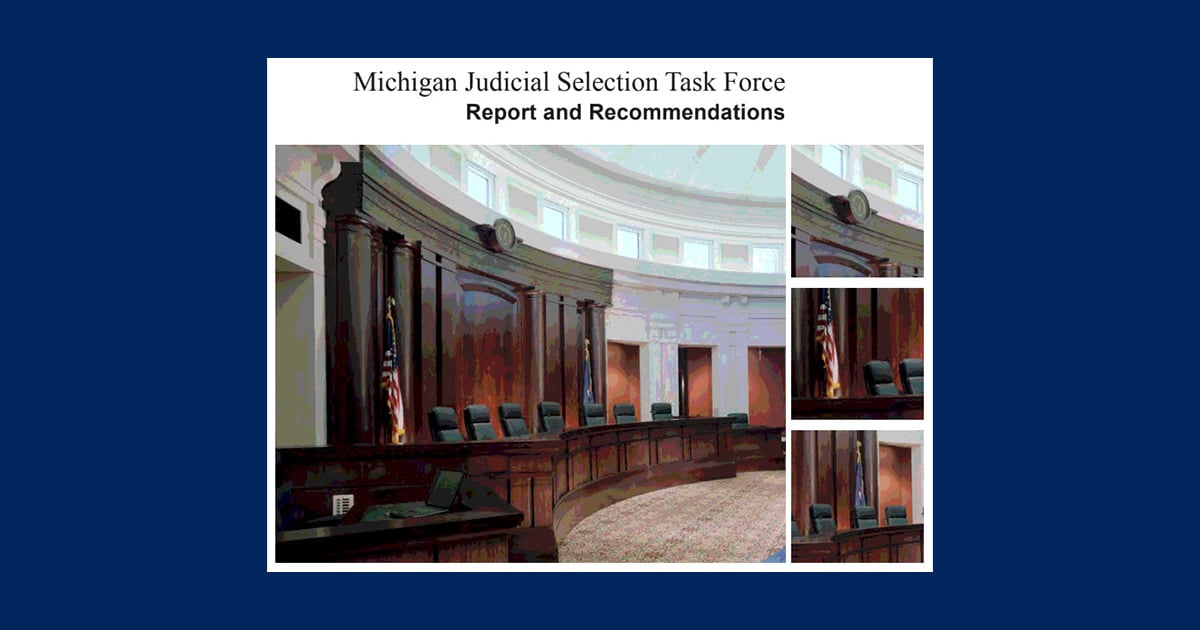
    THE PAST The "Looking Back: 1930s" article in the January 2022 Michigan Bar Journal concludes by briefly noting "a failed constitutional amendment which would have moved Michigan away from an elected judiciary." The ballot measure would have instituted non-partisan appointment of Michigan’s Supreme Court justices. Since that 1938 defeat, the State Bar has initiated or supported petition drives to put the question of non-partisan judicial selection back on the ballot three more times.

  • A Look at the Civil Side of Fraud
    A Look at the Civil Side of Fraud

    A Look at the Civil Side of Fraud

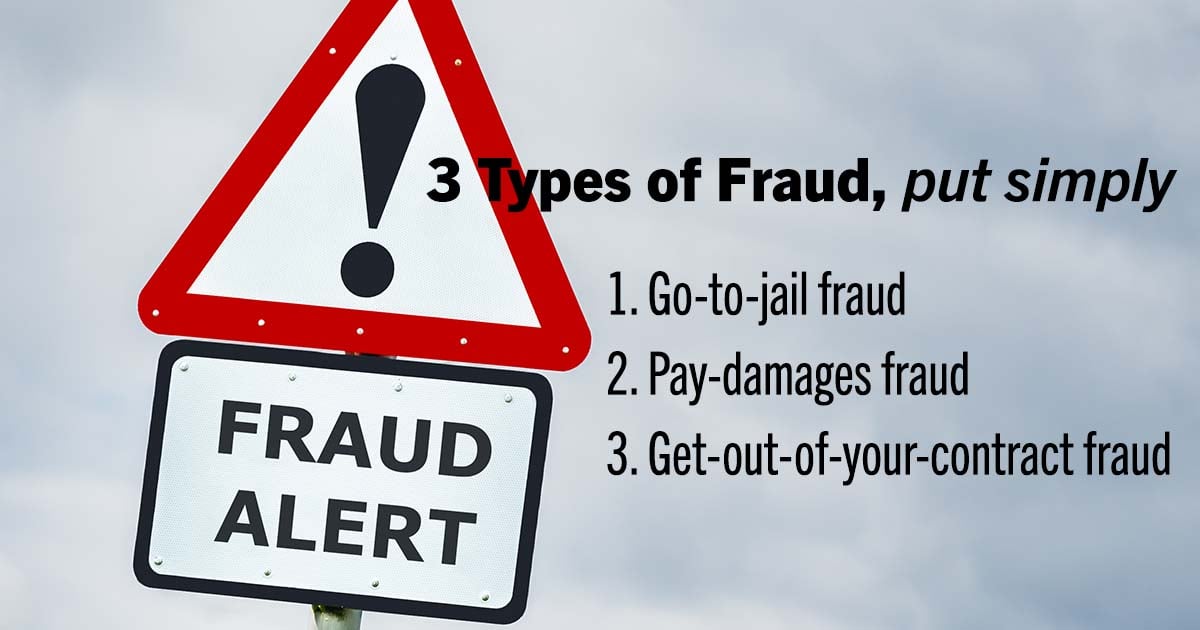
    Fraud is the deliberate misrepresentation of a material fact, made with the intention of inducing reliance in another person, which causes a loss of money or property. It can have both criminal and civil consequences.

  • The Study of Remedies, Law's Cure for Wrongdoing, is in Declining Health.
    The Study of Remedies, Law's Cure for Wrongdoing, is in Declining Health.

    The Study of Remedies, Law's Cure for Wrongdoing, is in Declining Health.

    I have previously blogged about the unfortunate case of Peevyhouse v. Garland Coal. In a poll of law professors, Willie and Lucille Peevyhouse were voted “The Most Screwed Victims in Case-law History.”

  • Showcase Your Scholarship, Part Three: Self-Publishing
    Showcase Your Scholarship, Part Three: Self-Publishing

    Showcase Your Scholarship, Part Three: Self-Publishing

    Recent posts have described a process for showcasing your scholarship. It’s done by creating a digital archive to display and preserve your published articles. Part One featured the Social Science Research Network (SSRN). Part Two compared Google Scholar (GS) and other platforms.