
Confusion: Bad for Contracts, Good for Students?
Blog contributor Otto Stockmeyer is a Cooley Law School Distinguished Professor Emeritus. This is another in his series of posts that take a fresh look at famous cases.
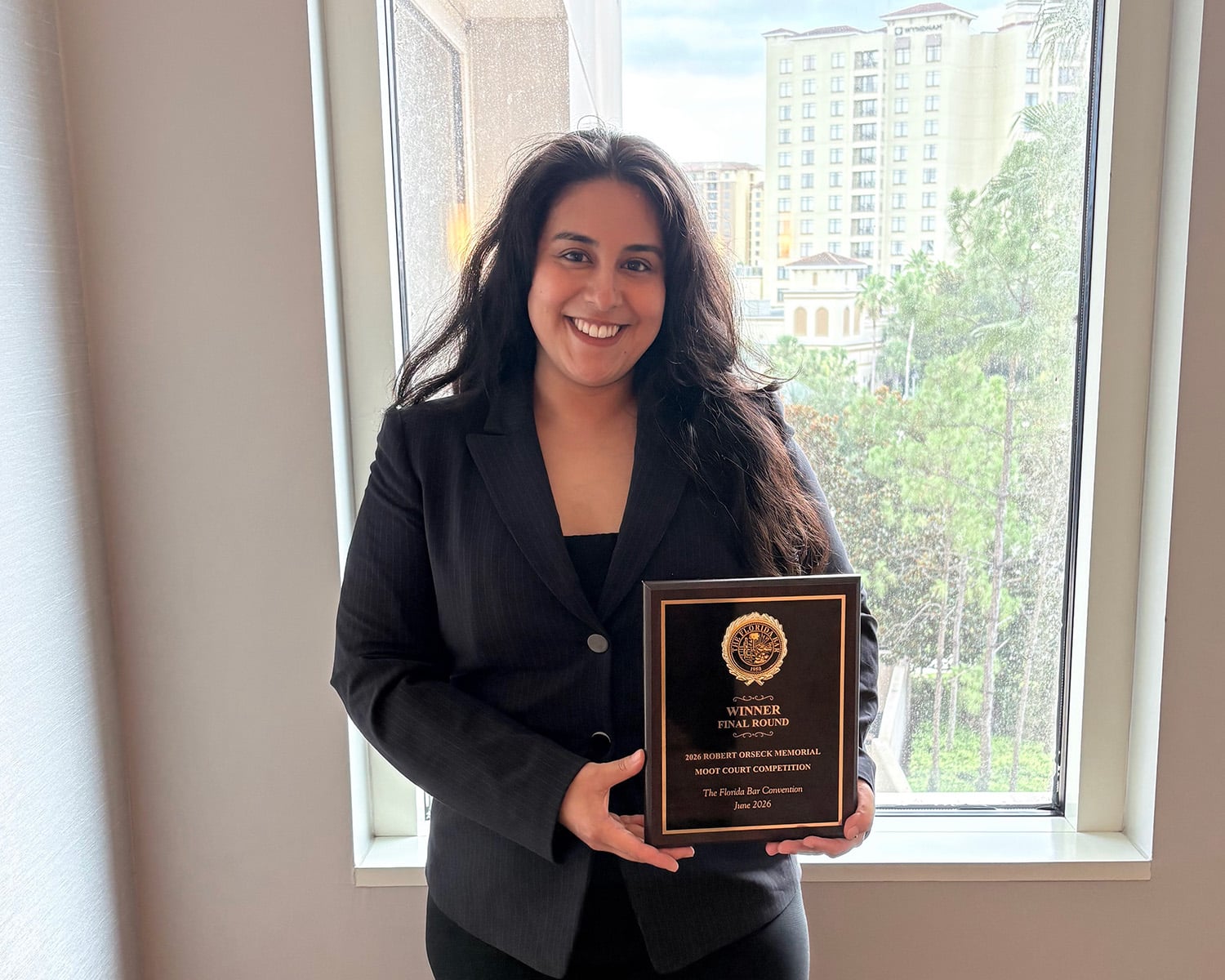
Isabel Zagazeta is a 3L J.D. candidate and Dean’s Fellow at Cooley Law School in Tampa, Florida. Originally from Canada, she earned her undergraduate degree at Wilfrid Laurier University before moving to Florida to study law at Cooley. She has earned book awards, served on Law Review, mentored incoming students, and was part of Cooley’s Moot Court team that recently won first place at the 2026 Robert Orseck Moot Court Competition. With a passion for legal writing and healthcare compliance, Isabel is building a strong foundation for a future in law at Cooley.
Read More
Blog contributor Otto Stockmeyer is a Cooley Law School Distinguished Professor Emeritus. This is another in his series of posts that take a fresh look at famous cases.

Distinguished Professor Emeritus Otto Stockmeyer is not looking for a job. But he has been reading legal help-wanted ads and has noticed something disturbing.

Blog contributor Otto Stockmeyer is a Cooley Law School Distinguished Professor Emeritus. This is one of a series taking a fresh look at famous cases.
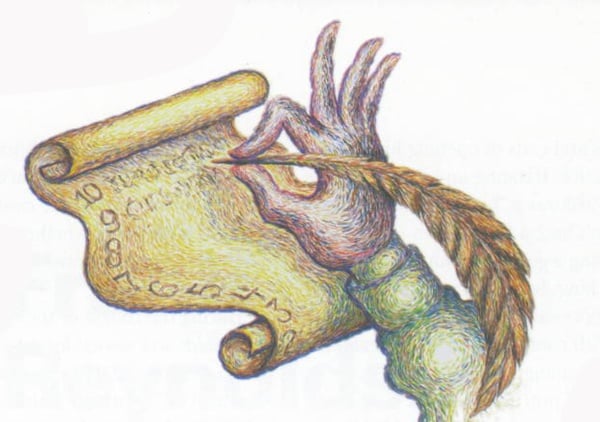
After a teaching career spanning nearly 40 years, Cooley Law Distinguished Professor Emeritus Otto Stockmeyer enjoys occasionally sharing the back stories of leading law school cases. Here he takes a fresh look at the infamous Case of the Hairy Hand.
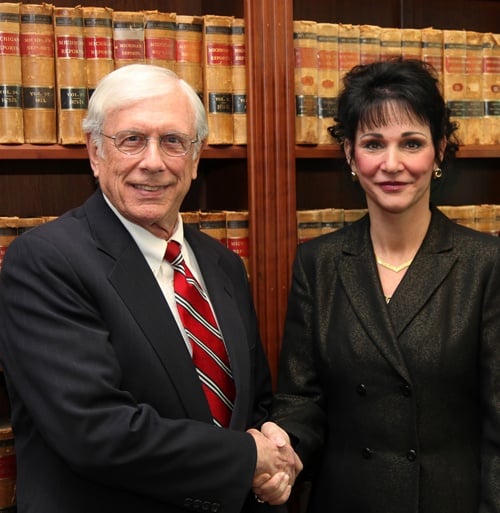
Distinguished Professor Emeritus Otto Stockmeyer shares his remarks when presenting Cooley Law School’s Adjunct Faculty award to graduate Judge Rosemarie Aquilina.

After more than three decades at the lectern, Cooley Law School Distinguished Professor Emeritus Otto Stockmeyer has retired from full time teaching, but maintains a continuing interest in factors that help law students achieve their personal best. Here he explains why students should write out their own case briefs rather than rely on commercial “canned” ones.