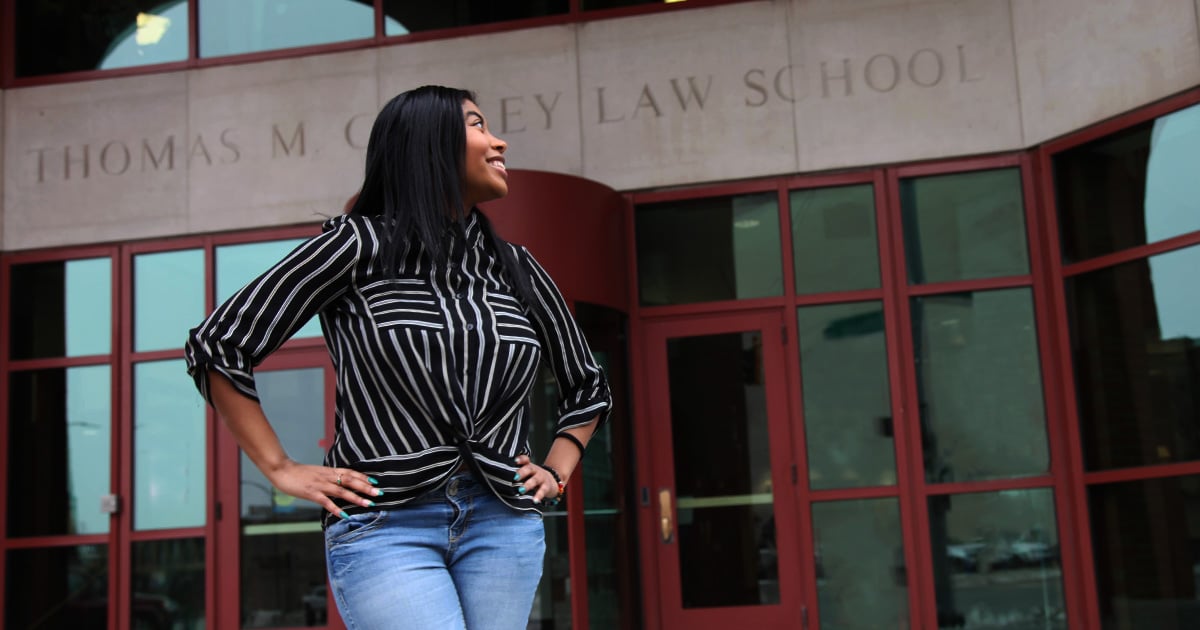
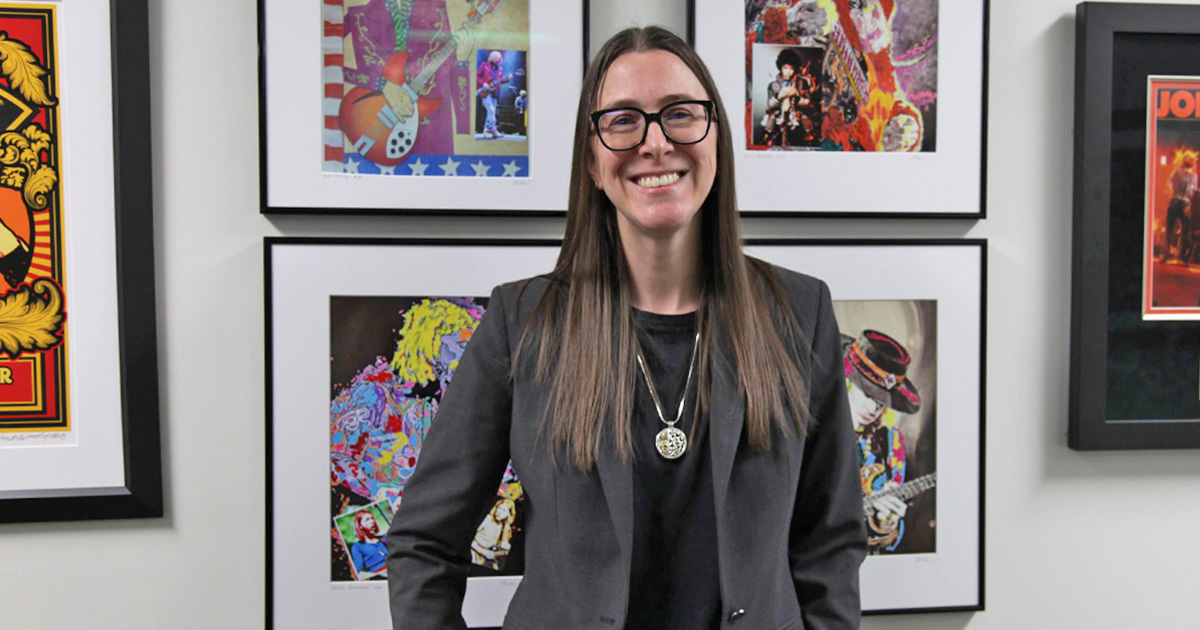
Family Tragedy Spurs Cooley Student to Pursue Law Degree
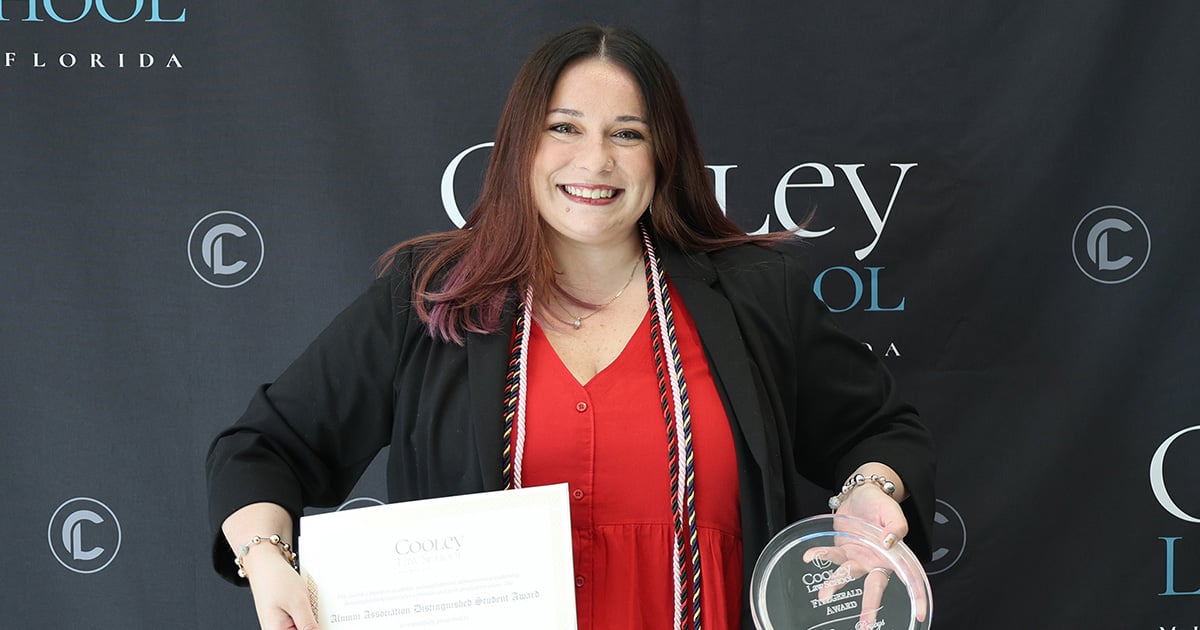
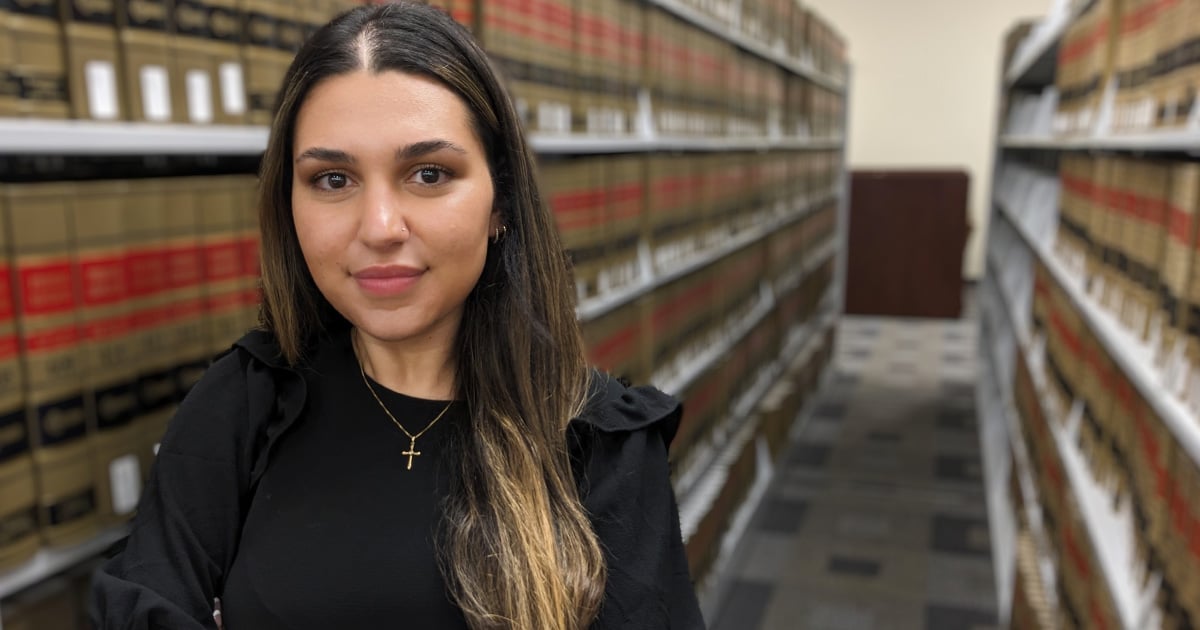
Cooley Law 3L student Autumn Loos is passionate about her work at the school’s Innocence Project, where she has interned since last September. “The thing about these clients is sometimes, we at the Innocence Project are their last resort. They have had no one to believe them,” she says. “All they need is someone to believe they are innocent and give them hope. Being able to tell someone or show them you are on their side is so impactful. “Interestingly, sometimes, all it takes is one page of a document to make or break an innocence claim. All you need to do is find that one piece of evidence that wasn’t tested that could start the domino effect and lead to their release.” With plans to focus on criminal defense after graduation, specifically focusing on post-conviction appeals, Loos notes her path is a little different than that of most people. When she was a toddler, her mother was murdered by her boyfriend, impacting Loos’s life in multiple ways. Growing up with her aunt, uncle, and cousins, Loos always knew she wanted to do something related to criminal law — but was unsure if that would be prosecution or defense. When she started undergrad, her goal was to become a criminal profiler and join the FBI. But in her teens, her older cousin — who she grew up with and looked on as a sister — became addicted to drugs. “This chain of events is what ultimately led me to focus on criminal defense,” Loos says. “For many years we watched her get put in jail and passed around the system without getting any actual help—it wasn’t until she went to prison and was locked away for years that she was able to become clean.” After her cousin was able to fight her addiction and was released, she had to deal with parole officers and everything that being on parole entails. “She never messed up, she was home on time every night, she never did drugs again, she is still clean and has had a job the entire time she has been home, but even now that she is off parole, there are lifelong consequences,” Loos says. “There are certain jobs she can never have and things she can never do. She has served her time and paid her debt to society, but she will still always be labeled a felon.” Loos relishes the quote from Bryan Stevenson, founder of the Equal Justice Initiative, that “Each of us is more than the worst thing we have ever done.” “Oftentimes, people in prison have no hope,” Loos says. “They are at the lowest point in their lives, and if they are there and shouldn’t be, all they need is for someone to believe in them. I want to be that person for someone. I want to give them hope and at least let them know that they have someone who hears them and is there for them.” Loos serves as president of the school’s Criminal Law Society, where she formerly served as promotions chair. “I’ve loved being able to organize events. Last term, we hosted a panel discussion with exonerees so students could hear about what led to their convictions and exonerations,” she says. “Our most recent event was coordinated with the Innocence Project. We did a case screening day that allowed students to see what it would be like to work with the Innocence Project if they chose to do that for their clinical requirements.” She currently is the Teaching Assistant (TA) for Wills Trusts and Estates, and enjoys helping other students. “I think some of the concepts can be confusing, and while the professor is so knowledgeable and great at teaching, sometimes it’s easier to understand when someone who is also at the same level as you breaks it down for you,” she says. Loos believes her undergrad degree in psychology from Capella University will help in her legal work. “I like learning how people think and make decisions,” she says. “It’s fascinating to see how everyday decisions can be determined by experience. I also have a passion for learning about things like how false confessions happen and understanding the psychology behind them helps to learn how to spot false or coerced confessions and could help to reduce their occurrence.” Loos chose Cooley because of the school’s Innocence Project, and because the school was flexible with her work schedule. “As a non-traditional student, I have to be able to work, so having a school that accommodated that was a requirement,” she says. She has worked at Rocket Mortgage for four years, first as a documentation specialist and now as a loan analyst. “I enjoy working with them because they have a great culture and really focus on the well-being of their employees. They have excellent benefits and have been very flexible with my ever-changing school schedule,” she says. “I work from home so I can take care of my daughter, spend time with her, and focus on school.” A fan of Ohio State football, Loos also is an avid reader, completing 43 books last year, in addition to assigned reading for classes. “When I’m not working or doing schoolwork, though, I just try to make sure to spend as much time with my family as I can,” she says. A native of Owosso, Loos attended school in Corunna, and currently lives in Swartz Creek with her husband and daughter, who will turn 2 in June. “She was born the day before our wedding anniversary, so we spent our anniversary eating buffalo wild wings in the hospital,” Loos says with a smile.