
Michael C.H. McDaniel Analyzes Legal Debate Over Sanctuary Communities (WILX 10)
Professor Emeritus Michael C.H. McDaniel recently provided legal insight on WILX 10 regarding proposed funding cuts to sanctuary communities.

Recent Cooley Law School graduate Morgan Prybys is turning a longtime dream of becoming a lawyer into a career focused on helping others. Prybys, who began her professional journey working in security before becoming a paralegal, was recently recognized with the Cooley Alumni Association Distinguished Student Award at the law school’s Honors Convocation. The award recognized her academic journey, involvement and commitment to supporting those around her. During her time at Cooley, Prybys was involved with several student organizations and served as a teaching assistant. She also gained hands-on experience through Cooley’s SixtyPlus ElderLaw Clinic, building on her interest in estate planning and elder law. Her legal interests also include compliance, an area in which she earned a Certificate of Merit. Her journey from doubting whether law school was possible to earning her J.D. and receiving recognition for her accomplishments reflects the persistence and growth that shaped her legal education. Read more about Morgan Prybys and her journey in the Legal News.
Read More
Professor Emeritus Michael C.H. McDaniel recently provided legal insight on WILX 10 regarding proposed funding cuts to sanctuary communities.
The latest episode of WGVU's Mutually Inclusive takes an in-depth look at Kenneth Nixon's powerful story and the transformative work of the Cooley Law School Innocence Project.
Michael C. H. McDaniel, a retired professor at Cooley Law School and Director of Homeland Law LL.M., was recently featured on WZZM13, discussing the legal implications of a potential pause on federal assistance and the impact it could have on Grand Rapids. General McDaniel provided critical insight into a 1974 congressional act requiring the president to provide lawmakers with an advanced warning about proposed deferrals of budget authority.
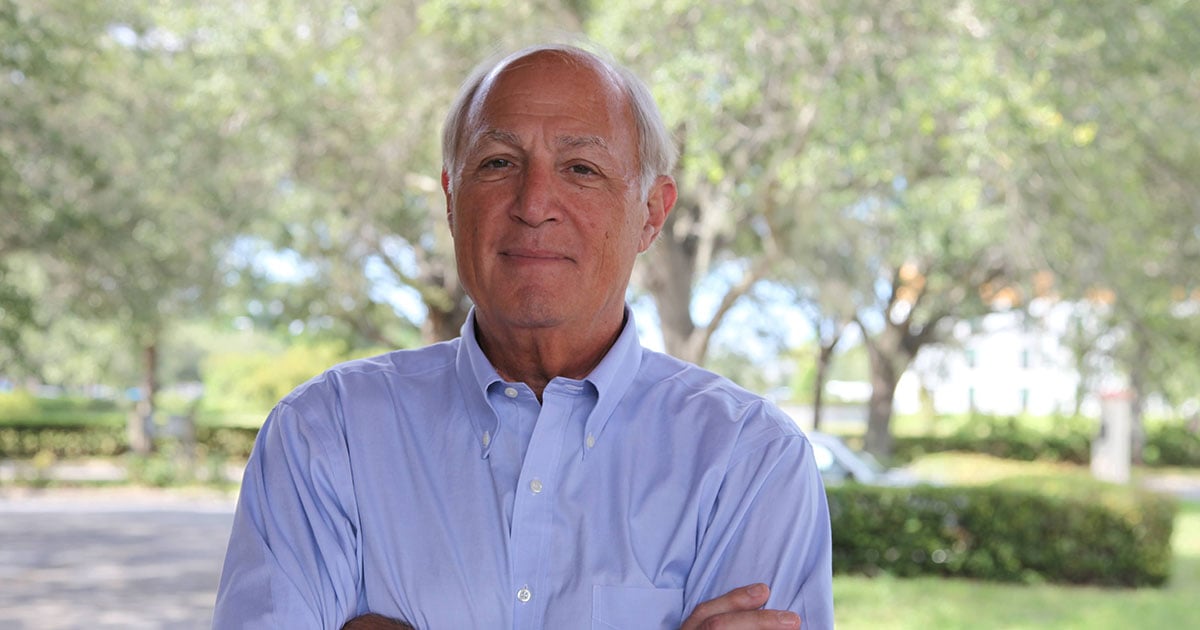
In a recent story by FOX 17 News, Professor Jeffrey Swartz offered his expertise on the evolving landscape of U.S. immigration enforcement. As a former federal prosecutor and defense attorney, Professor Swartz noted that agents must follow procedures but believes mistakes will inevitably happen, leaving courts to shape future enforcement. Read the full article here: https://www.fox17online.com/news/local-news/you-still-have-rights-understanding-the-changes-in-immigration-enforcement.
The incoming President has proposed something called the Department of Government Efficiency (DOGE). The idea of “fixing” or “streamlining” the federal government is nothing new–nearly every president over the past one hundred years has sought to make the federal government more efficient by cutting out duplication, waste, and fraud. Nearly every president has failed to accomplish that objective.
This essay examines the power of the President to order that money appropriated by Congress should not be spent; put another way–can the President refuse to spend funds that Congress authorized to be spent? This essay presumes that the power of appropriation lies in Congress and that the power to spend appropriations lies in the executive branch, namely with the President.[1]

In recent days, two high-profile cases have cast a troubling light on the growing enthusiasm for vigilantism in America. From the tragic chokehold death of Jordan Neely to the violent shooting of United Health Care CEO Brian Thompson, these events raise critical questions about the legitimacy of individuals taking the law into their own hands.
Current circumstances compel examination of the power of a President of the United States to nominate appointees and to fill vacancies that may happen during the recess of the Senate. The first context for analysis requires a look at two constitutional provisions regarding the President’s appointment power:

Over the course of the past few years, considerable attention has been given to decisions of the Supreme Court of the United States, with critics often including a focus on the question of who appointed the Justices serving on the Court.