
Calling All Scribes
What does the word “scribes” call to mind? For most people, it evokes the image of medieval monks copying manuscripts with quill pens. But modernly it also refers to a society of legal writers.
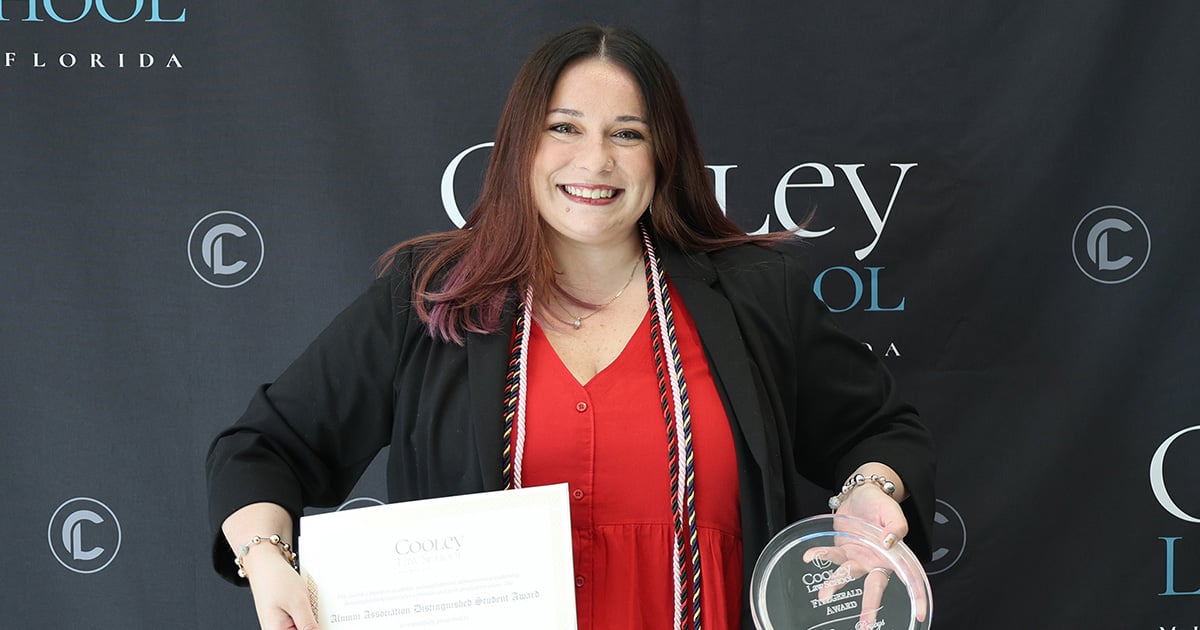
Recent Cooley Law School graduate Morgan Prybys is turning a longtime dream of becoming a lawyer into a career focused on helping others. Prybys, who began her professional journey working in security before becoming a paralegal, was recently recognized with the Cooley Alumni Association Distinguished Student Award at the law school’s Honors Convocation. The award recognized her academic journey, involvement and commitment to supporting those around her. During her time at Cooley, Prybys was involved with several student organizations and served as a teaching assistant. She also gained hands-on experience through Cooley’s SixtyPlus ElderLaw Clinic, building on her interest in estate planning and elder law. Her legal interests also include compliance, an area in which she earned a Certificate of Merit. Her journey from doubting whether law school was possible to earning her J.D. and receiving recognition for her accomplishments reflects the persistence and growth that shaped her legal education. Read more about Morgan Prybys and her journey in the Legal News.
Read More
What does the word “scribes” call to mind? For most people, it evokes the image of medieval monks copying manuscripts with quill pens. But modernly it also refers to a society of legal writers.
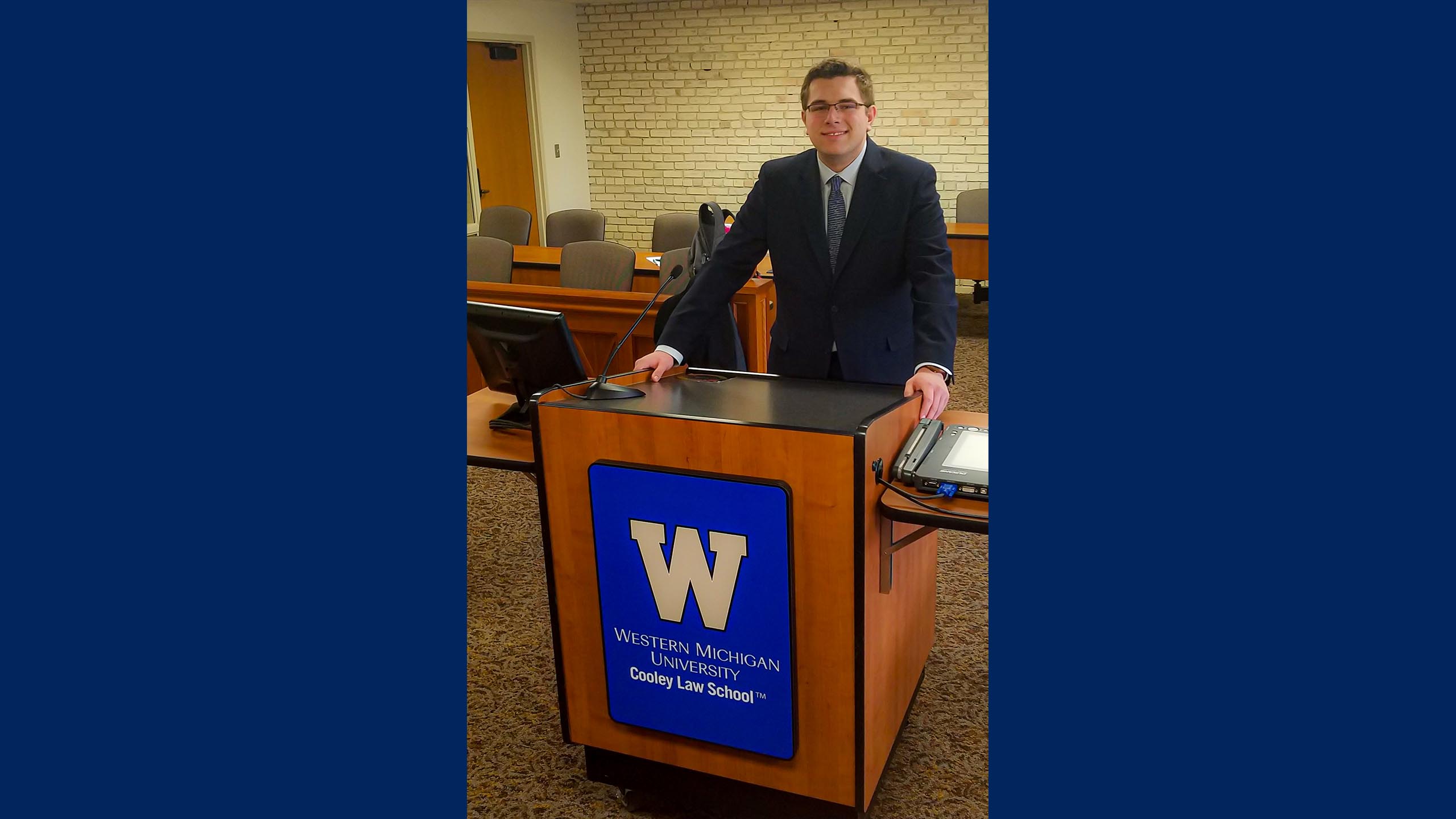
Cooley Law School alumnus Rick Conklin always had a passion for the law—and while earning his undergrad degree in communications from Grand Valley State University, realized Lady Justice was calling his name.

During this age of the Coronavirus, numerous industries have been taking the necessary steps to adapt to the current realities, which has caused nearly everyone to do things differently within their working environments. And while many of these activities were already being done before the pandemic, years of change were packed into a very short amount of time. Yet these very changes may actually stick going forward, especially in the realm of legal education and the law. Consider these:

My fervent hope is to provide some historical perspective of the past year and the last three months. The title I came up with “It was the best of times, it was the worst of times." Maybe it should have been “These are the times that try men’s souls”
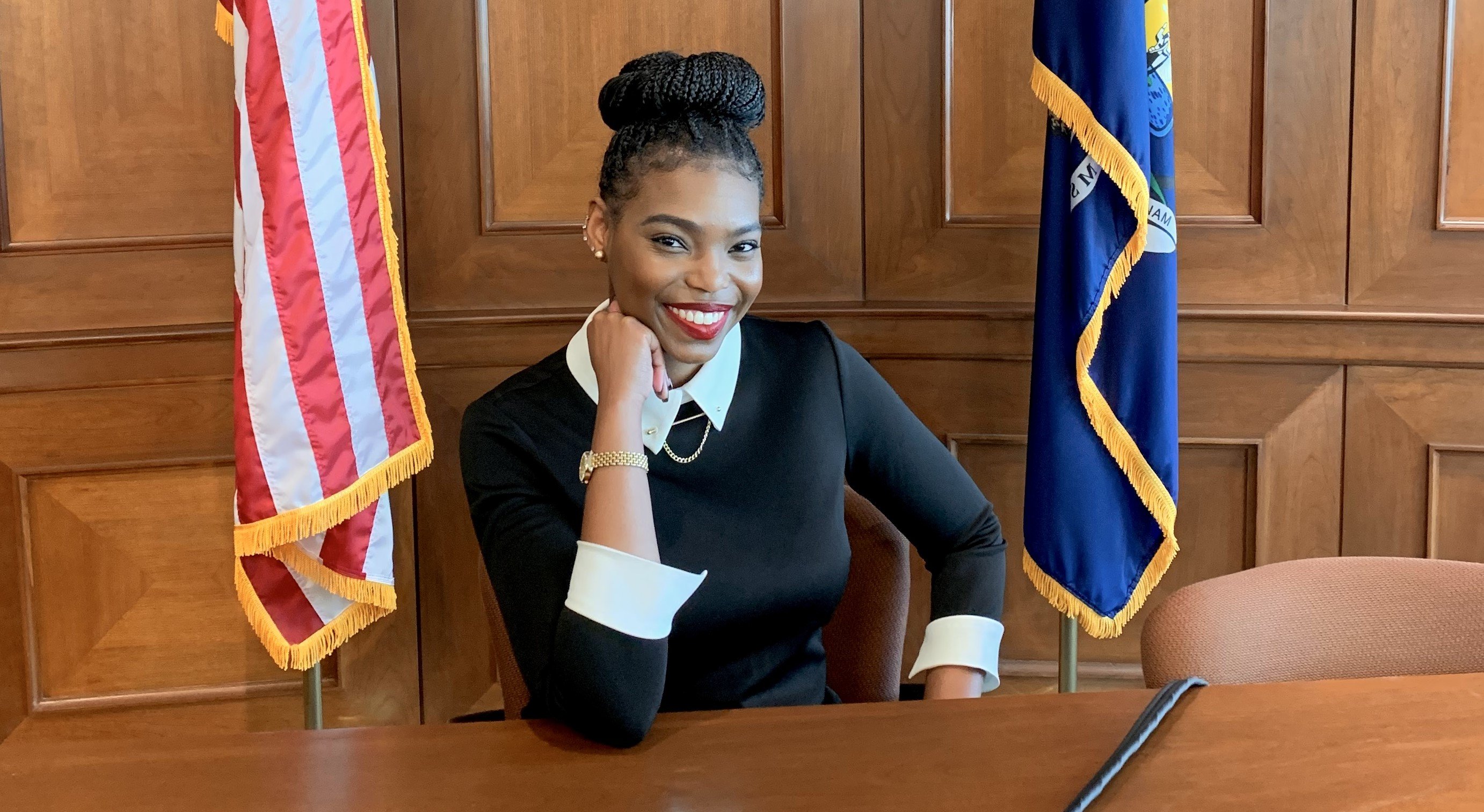
Maya Smith knew from childhood that her purpose was to give back and make an impact – and saw the legal field as the way to effectuate change. Clearly it was the right choice.
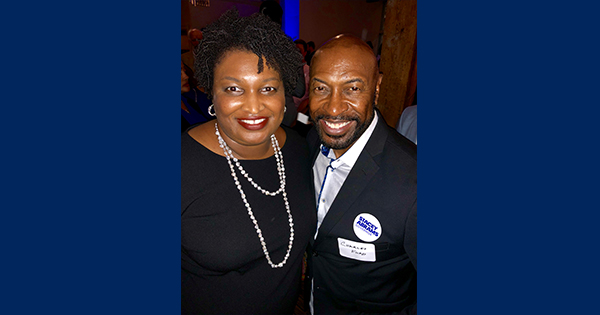
Charles Ford has lived life large, not only as a star athlete, but as an attorney and a successful sports and life coach for kids. He is without question a man of many talents with many gifts to share.
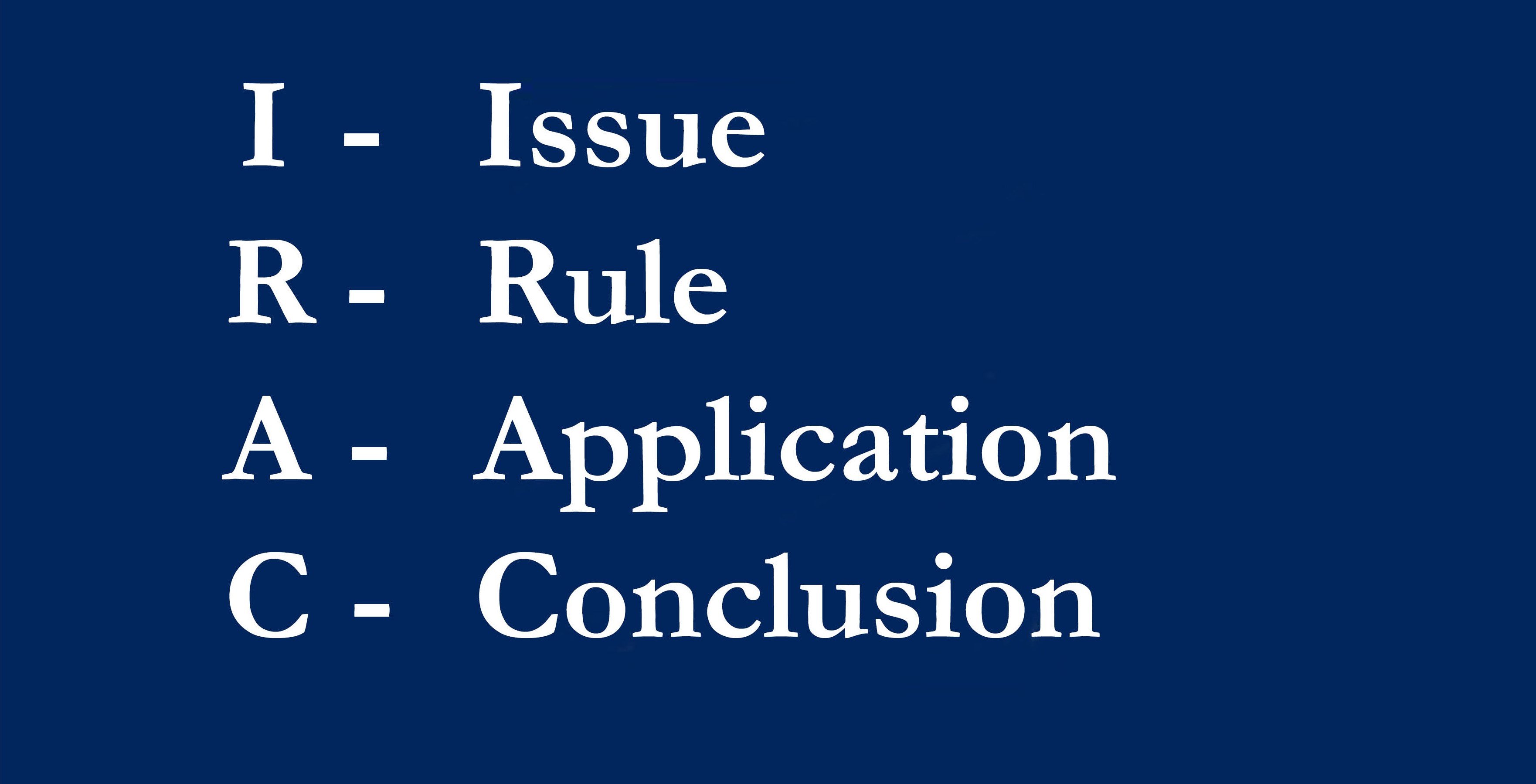
As beginning law students soon learn, what we call “legal reasoning” can be expressed by the formula IRAC. It’s the law’s version of the deductive syllogism. It stands for Issue, Rule, Application, and Conclusion. First, identify the salient issue (“Is Socrates mortal?”). Then, state the applicable rule (“All men are mortal”). Next, apply the rule to the relevant facts (“Socrates is a man”). This leads inexorably to the conclusion (“Therefore Socrates is mortal”).
-1.jpg)
The 2020 Distinguished Alumni Award was presented to Amy Rombyer Tripp (Blair Moody Class, 1996) and Karen Truszkowski (Richard H. Flannigan Class, 1999). The coveted award is presented at the annual meeting of the Cooley Law School Alumni Association, and this past year, the virtual ceremony was held on November 19, 2020. Recipients are chosen by the Past President's Committee of the Alumni Association and awarded annually.

Assistant Dean of Admissions Stephanie Gregg may have retired from Cooley in 2012 after 25 years of service, but her heart continues to support the law school's historic equal access to justice mission through her talent as a local artist and advocate. In creating her art she finds an outlet to express her feelings.