
High Performance In These Two Classes is Best Predictors of Bar Success
The recent National Jurist article called What it takes to pass today's nasty bar exam didn't surprise Cooley Law School Professor Mark Cooney. Not one bit.
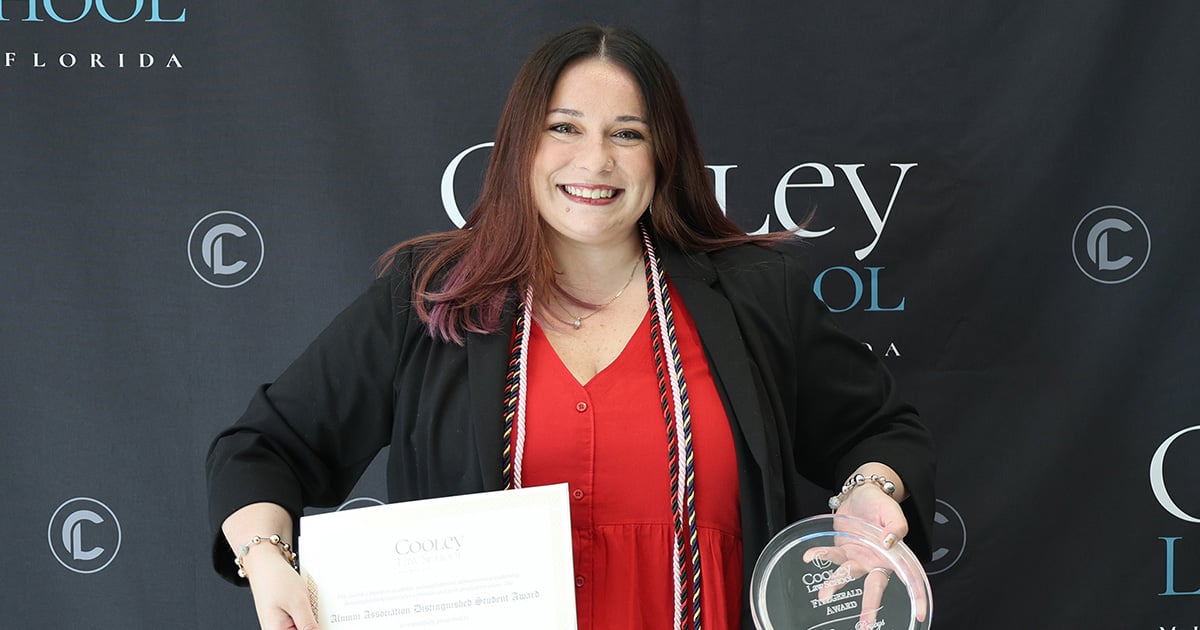
Recent Cooley Law School graduate Morgan Prybys is turning a longtime dream of becoming a lawyer into a career focused on helping others. Prybys, who began her professional journey working in security before becoming a paralegal, was recently recognized with the Cooley Alumni Association Distinguished Student Award at the law school’s Honors Convocation. The award recognized her academic journey, involvement and commitment to supporting those around her. During her time at Cooley, Prybys was involved with several student organizations and served as a teaching assistant. She also gained hands-on experience through Cooley’s SixtyPlus ElderLaw Clinic, building on her interest in estate planning and elder law. Her legal interests also include compliance, an area in which she earned a Certificate of Merit. Her journey from doubting whether law school was possible to earning her J.D. and receiving recognition for her accomplishments reflects the persistence and growth that shaped her legal education. Read more about Morgan Prybys and her journey in the Legal News.
Read More
The recent National Jurist article called What it takes to pass today's nasty bar exam didn't surprise Cooley Law School Professor Mark Cooney. Not one bit.

Having graduated WMU-Cooley 41 years ago I was given the opportunity to engage in a successful Securities, Oil and Gas, and Business practice, as well as partner in two successful businesses. Admission was easy compared to other law schools, but staying in was a challenge. A somewhat different standard than most law schools where admission is difficult but staying in was almost guaranteed. WMU-Cooley was better suited to prepare one for the real world practice of law, as well as other endeavors. You receive the same privilege to practice as one graduating from any other school. Every graduate has achieved much on their path to success. Here are some of the things I have done on my career journey:
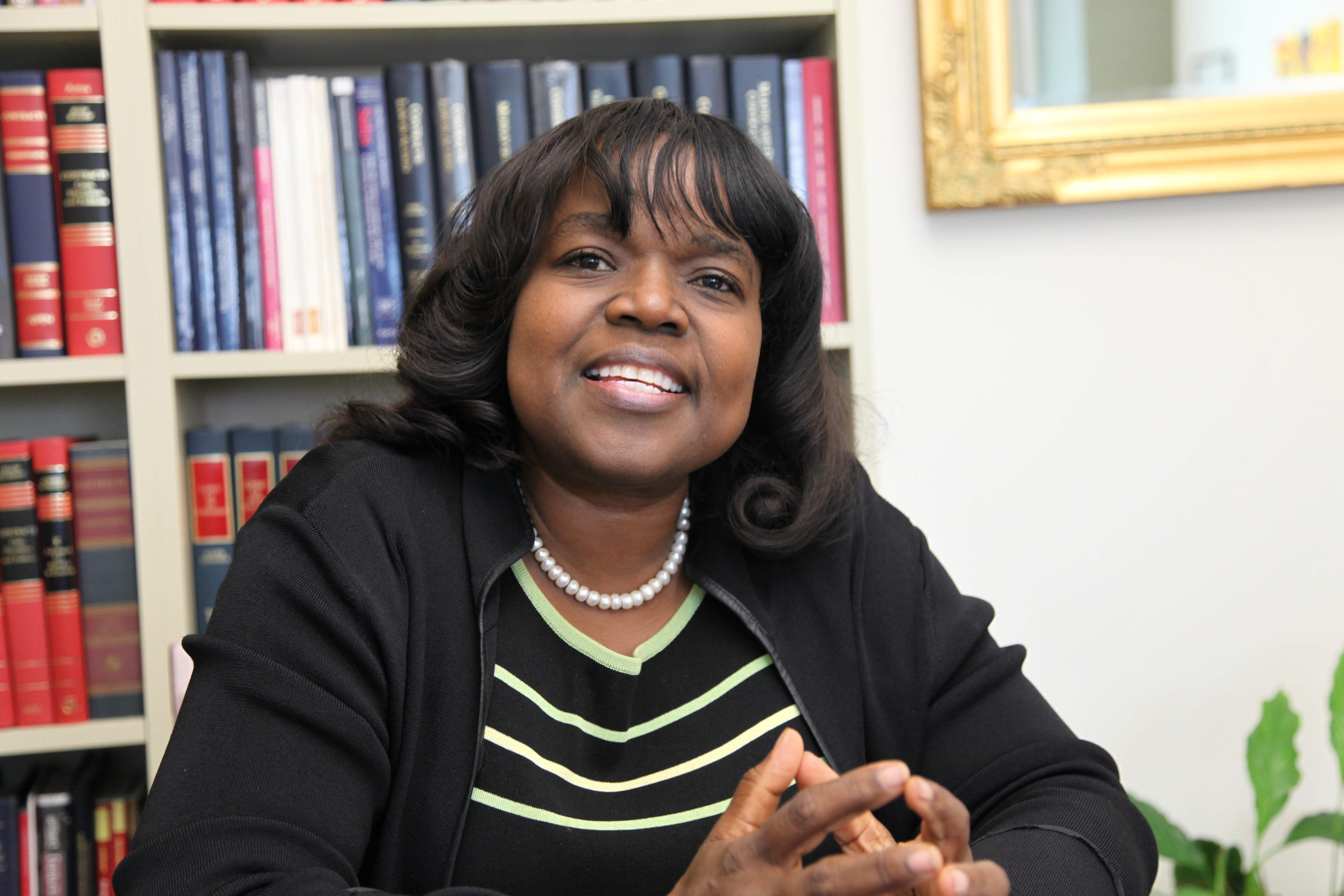
Why is diversity in the classroom important? That's a question Cooley Law School Professor Mable Martin-Scott sometimes gets from others when talking about her law school, and the place she's taught for two decades.
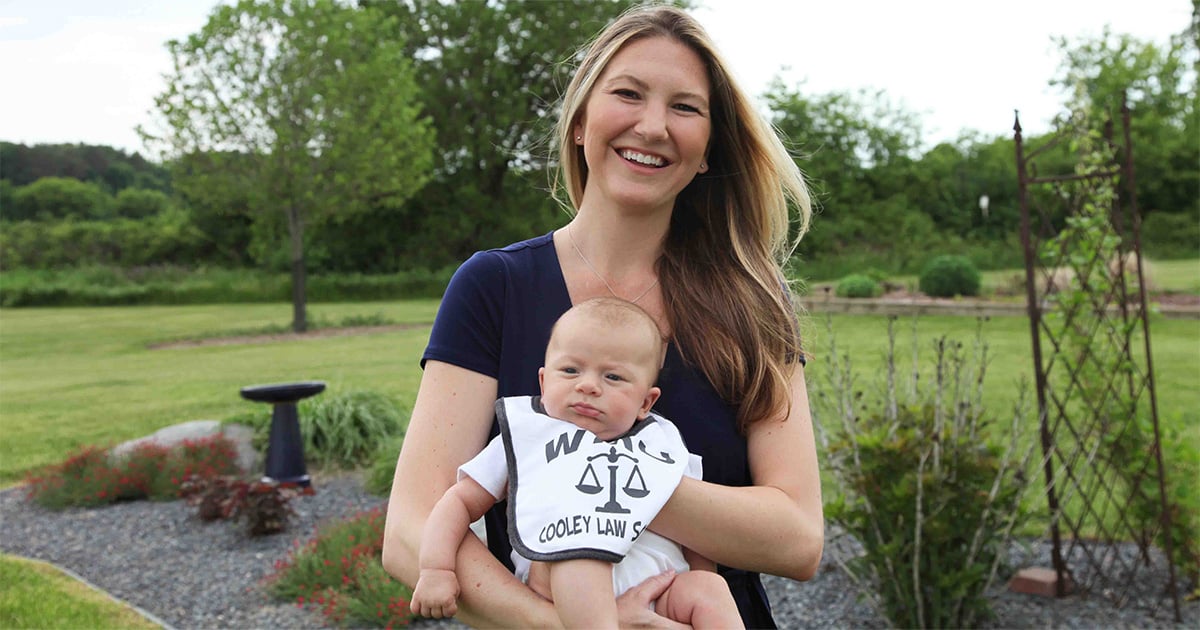
At 31, life has already been a roller coaster ride for Lindsey Messenger. Yet every single high and low has taught her something. Never one to shy away from anything new or to challenge herself, she's learned a lot over her short life. She's learned some valuable life lessons, and what she wants to do, and what she doesn't.
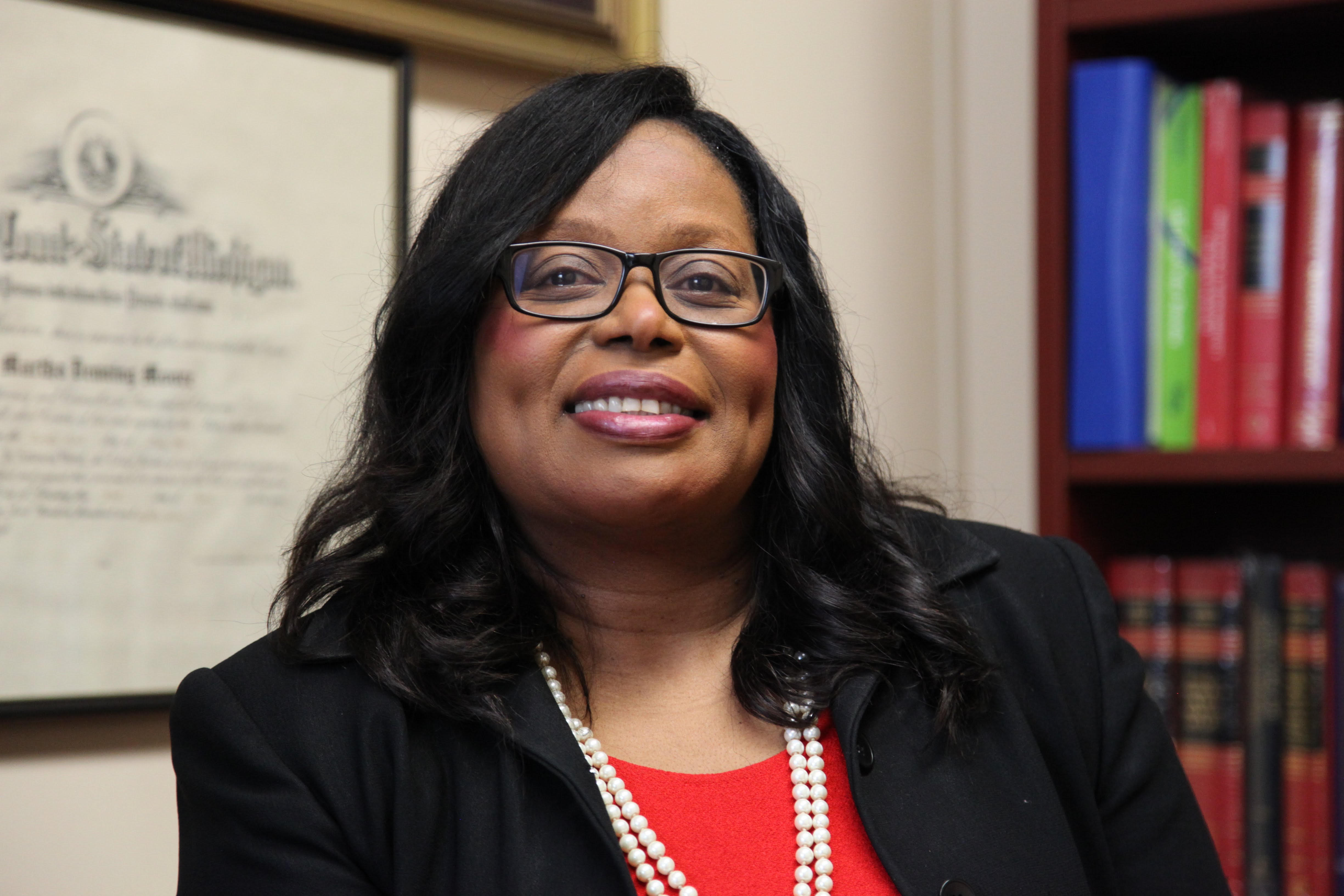
Being given a chance to excel, to find your own path and be encouraged every step of the way is a "gift" that can last a lifetime. When those who have received this gift pass it on to someone up and coming, its value is increased manyfold.
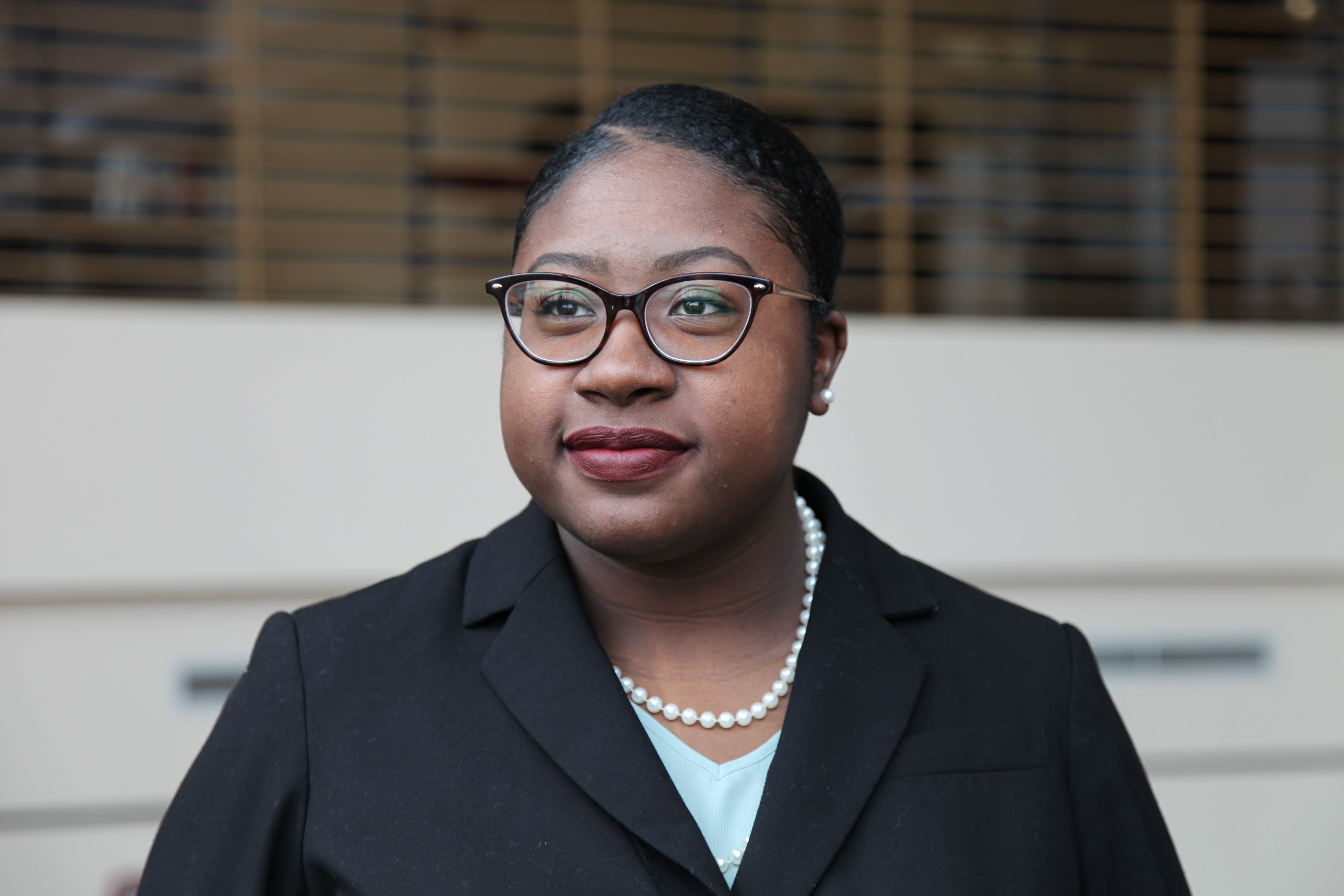
Cooley graduate Chanelle Manus grew up watching a lot of sports on TV, mostly because she knew that was a great way for her to spend time with her dad. He was very interested in sports, and she always wanted to be just like her dad.
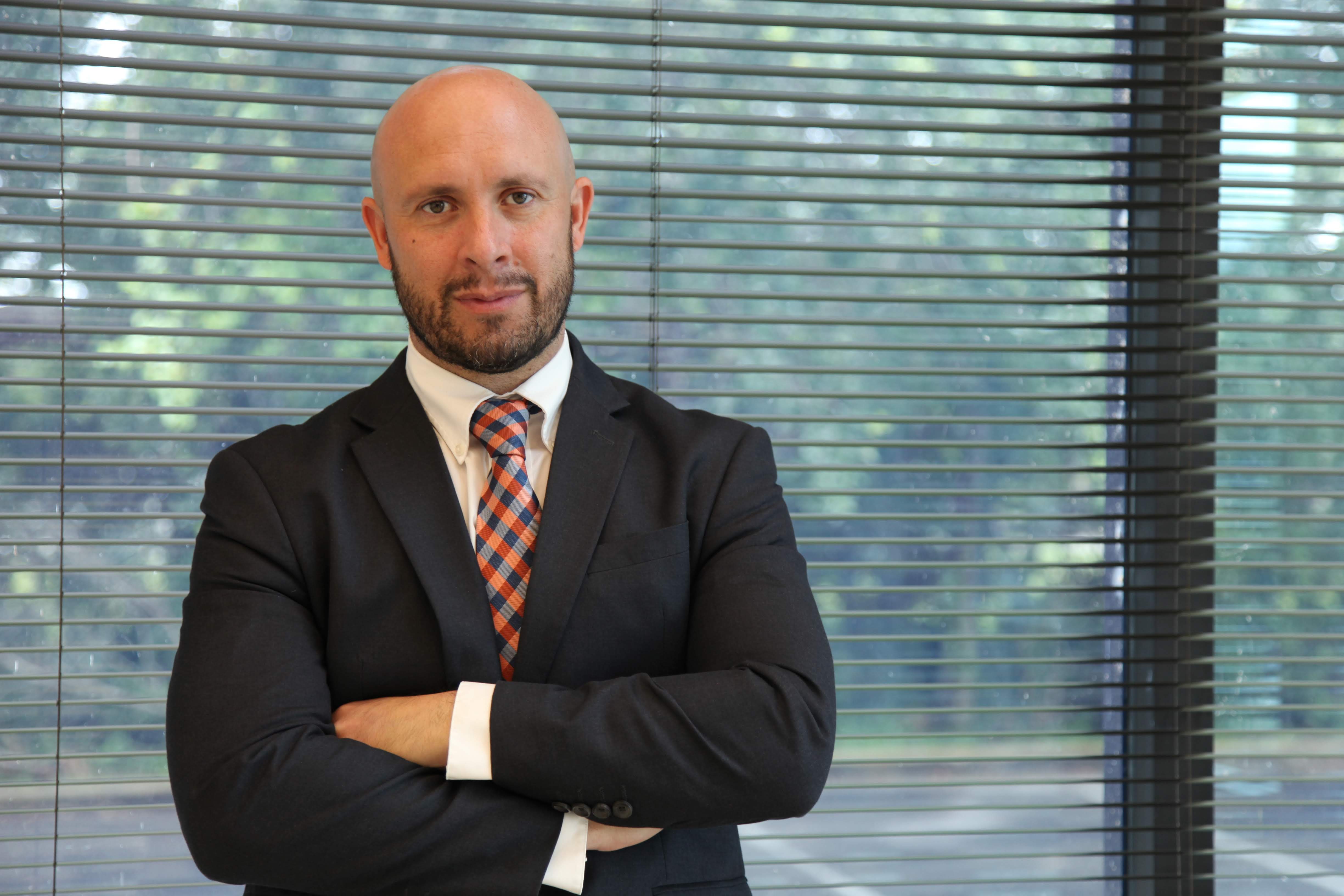
Imagine being in business for yourself for almost 10 years and suddenly everything changes. New laws make it a very real possibility that your employees will become your boss. You could conceivably lose your company. You could lose your livelihood, your income, everything you have built. And the worst part is, due to a lack of education, your prospects are very limited.
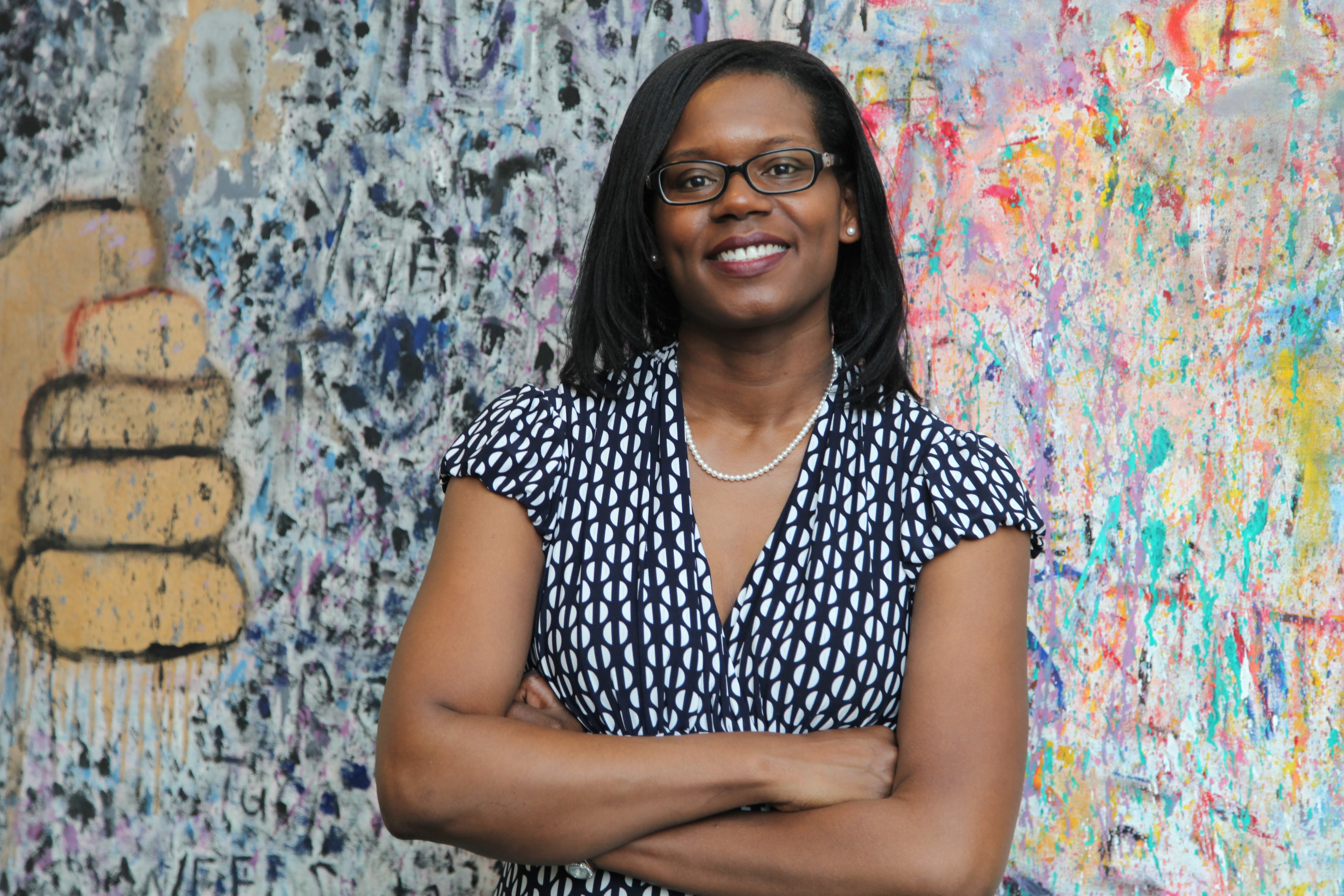
One of the most important aspects of a legal education at Cooley Law School is that of service to each other and to the community. Whether it’s volunteering in a shelter, providing pro bono legal assistance to The Innocence Project or an elder law clinic , or any of the dozens of other opportunities available , it’s a big part of what makes a well-rounded Cooley Law School attorney.
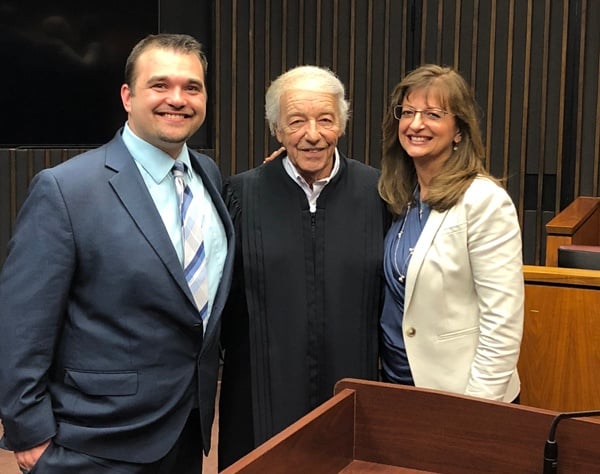
Cooley graduate Matt Super not only overcame a head injury and PTSD to graduate from law school, he also managed to pass the bar on his first try. Read about Matt's journey in the Detroit Legal News story by Sheila Pursglove below.