
Skip to content

Reda Taleb’s Life’s Work: Turning Pain into Purpose — and Giving It Back to Dearborn

Reda Taleb’s Life’s Work: Turning Pain into Purpose — and Giving It Back to Dearborn

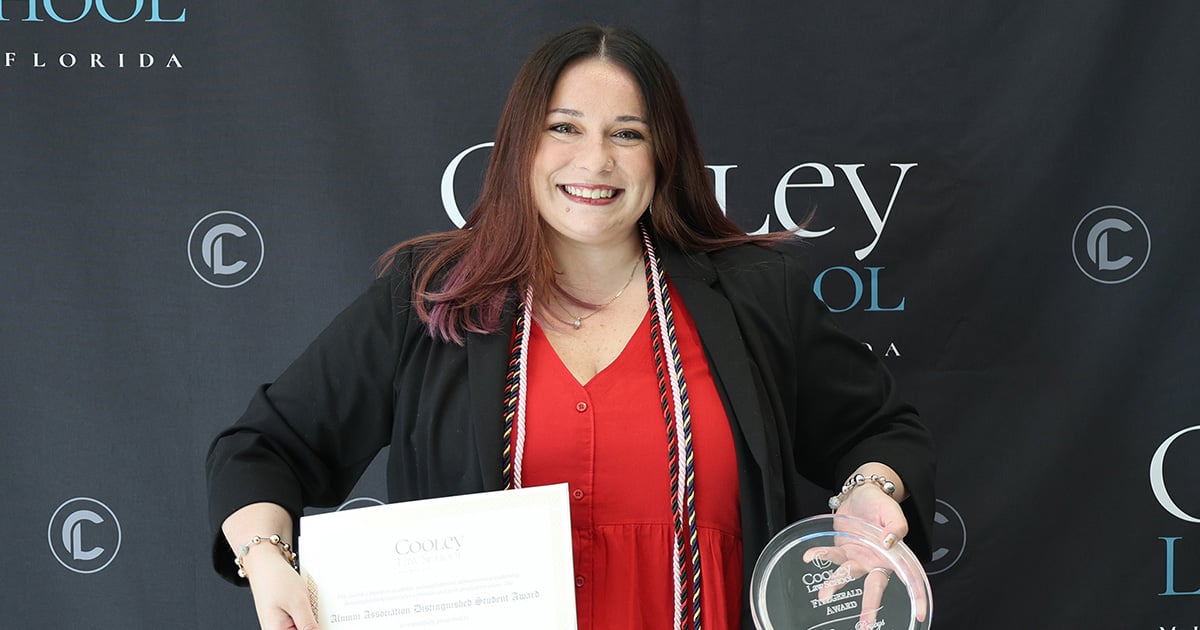
When Reda Taleb (McLean Class, 2015) talks about “giving back,” she isn’t just reciting a slogan — she’s living by example. The daughter of immigrants from Bint Jbeil, Lebanon, Taleb’s parents, along with her six older siblings, laid roots in Dearborn’s south end, an area known for its pollution-emitting factory smoke stacks and community of Arab Americans seeking the “American Dream.”

Read More
  • Confusion: Bad for Contracts, Good for Students
    Confusion: Bad for Contracts, Good for Students

    Confusion: Bad for Contracts, Good for Students

    In the middle of their study of Contract law, students encounter a cluster of cases dealing with when courts should grant some form of relief to parties who unknowingly enter into contracts beset by misunderstanding, mistake, or ignorance. I call this cluster “the Law of Confusion.” Reading the cases, students are at least as confused as were the parties to the lawsuits that they are being asked to study.

  • Reflections On A Career: 5 Lessons Learned
    Reflections On A Career: 5 Lessons Learned

    Reflections On A Career: 5 Lessons Learned

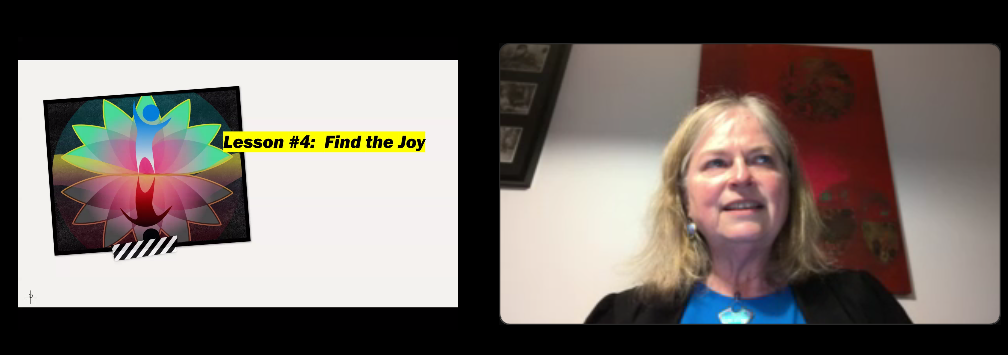
    I retired in December, 2021, and I had the honor of being asked to present a lecture on what I learned from my career. In that lecture, I discussed five "lessons" I have learned that made my career more productive and more enjoyable. You can watch the 30-minute lecture in the video, or if you want the “Cliff Notes” version, here are the 5 lessons below - Cooley Professor Emeritus Kimberly E. O'Leary

  • KISS: Simple Ways to Increase Your Article’s Impact
    KISS: Simple Ways to Increase Your Article’s Impact

    KISS: Simple Ways to Increase Your Article’s Impact

    I have previously blogged about ways to boost an article’s readership. Since then I have learned of a really simple additional way. We all know that to increase readability, use short words and short sentences. It turns out that using a short title for your article can increase the likelihood that it will be read. And cited by others.

  • What Should Be Done About Michigan's No-Good, Very Bad Way of Selecting Supreme Court Justices?
    What Should Be Done About Michigan's No-Good, Very Bad Way of Selecting Supreme Court Justices?

    What Should Be Done About Michigan's No-Good, Very Bad Way of Selecting Supreme Court Justices?

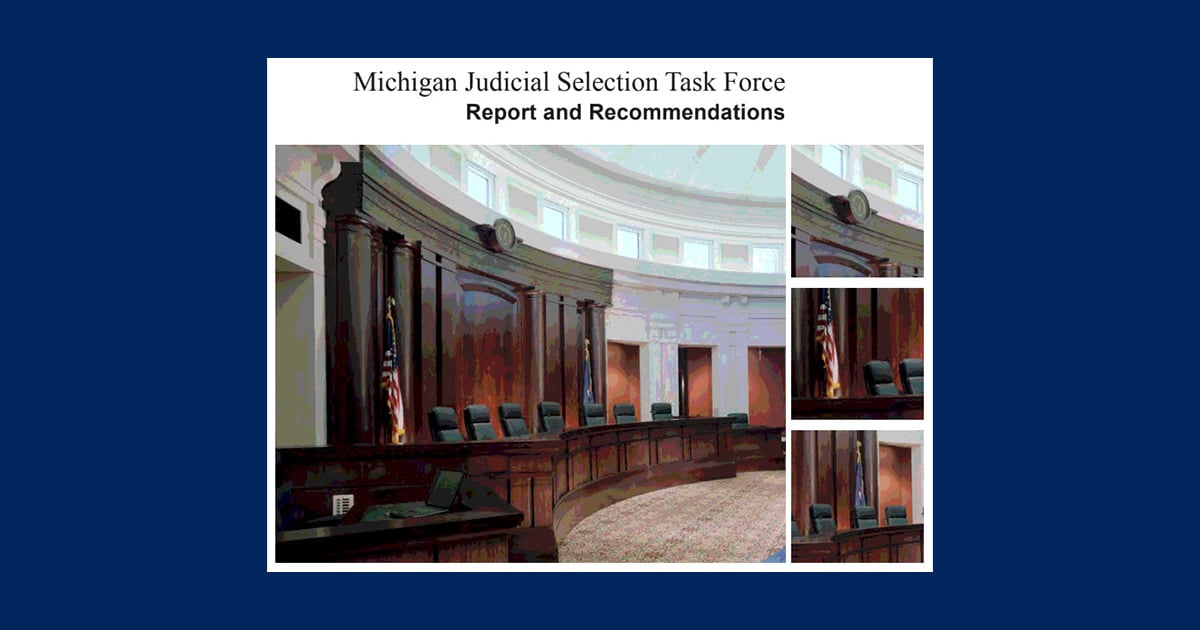
    THE PAST The "Looking Back: 1930s" article in the January 2022 Michigan Bar Journal concludes by briefly noting "a failed constitutional amendment which would have moved Michigan away from an elected judiciary." The ballot measure would have instituted non-partisan appointment of Michigan’s Supreme Court justices. Since that 1938 defeat, the State Bar has initiated or supported petition drives to put the question of non-partisan judicial selection back on the ballot three more times.

  • A Look at the Civil Side of Fraud
    A Look at the Civil Side of Fraud

    A Look at the Civil Side of Fraud

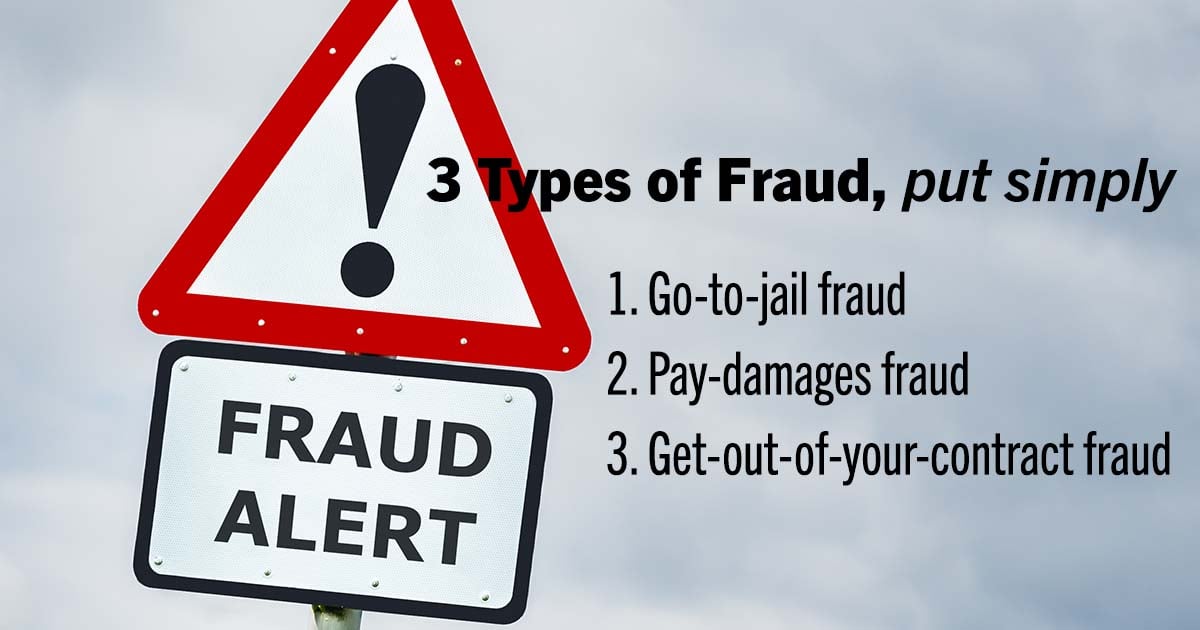
    Fraud is the deliberate misrepresentation of a material fact, made with the intention of inducing reliance in another person, which causes a loss of money or property. It can have both criminal and civil consequences.

  • The Study of Remedies, Law's Cure for Wrongdoing, is in Declining Health.
    The Study of Remedies, Law's Cure for Wrongdoing, is in Declining Health.

    The Study of Remedies, Law's Cure for Wrongdoing, is in Declining Health.

    I have previously blogged about the unfortunate case of Peevyhouse v. Garland Coal. In a poll of law professors, Willie and Lucille Peevyhouse were voted “The Most Screwed Victims in Case-law History.”

  • Showcase Your Scholarship, Part Three: Self-Publishing
    Showcase Your Scholarship, Part Three: Self-Publishing

    Showcase Your Scholarship, Part Three: Self-Publishing

    Recent posts have described a process for showcasing your scholarship. It’s done by creating a digital archive to display and preserve your published articles. Part One featured the Social Science Research Network (SSRN). Part Two compared Google Scholar (GS) and other platforms.

  • Former Judge and Criminal Law Professor Expresses Concerns Over Arrest Procedures
    Former Judge and Criminal Law Professor Expresses Concerns Over Arrest Procedures

    Former Judge and Criminal Law Professor Expresses Concerns Over Arrest Procedures

    “I am sympathetic to the prosecutor’s cause for gun safety reform, but at this point, the ends do not justify the means.” - Former Judge and Cooley Law School Criminal Law Professor Jeffrey Swartz.

  • Showcase Your Scholarship, Part Two: Google Scholar Profiles and Other Platforms
    Showcase Your Scholarship, Part Two: Google Scholar Profiles and Other Platforms

    Showcase Your Scholarship, Part Two: Google Scholar Profiles and Other Platforms

    Part One: Use SSRN To Archive Articles explains how to use the Social Science Research Network (SSRN) to create an online archive of your articles. A decade after SSRN was founded in 1994, Google launched a similar platform, Google Scholar (GS), and later added profiles. GS profiles too can be used to create an online archive to display and preserve publications.